




You are viewing 1 of your 2 free articles
Middle East airports estimate loss up to US$1bn
More than 20 million travellers impacted during two-month disruption
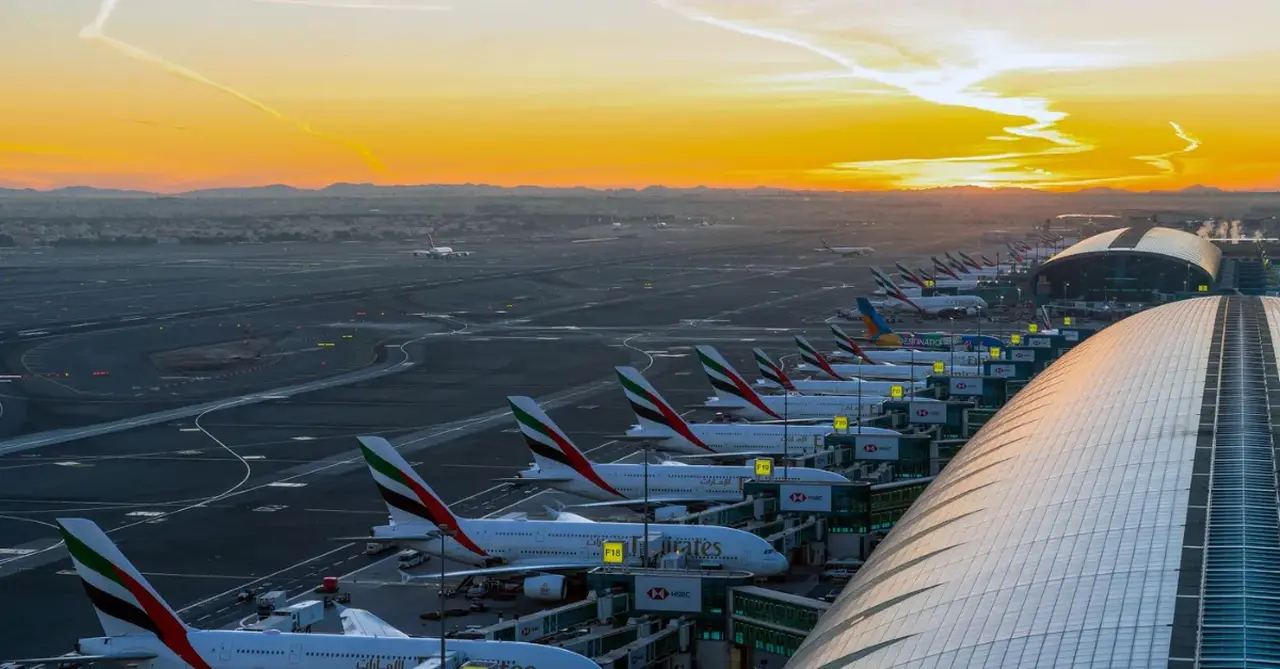
Airports across the Middle East are expected to incur economic losses from anywhere between US$900 million to US$1 billion following disruptions linked to the Iran war, according to a new study by the Airports Council International Asia-Pacific & Middle East (ACI APAC & MID).
Conducted in partnership with Flare Aviation Consulting, the assessment analysed the impact on nine major Middle Eastern hubs between 28 February and 30 April 2026.
The assessed airports, which collectively handled 324 million passengers in 2025, saw operations fall to as low as 32% of scheduled capacity on the first day of the conflict. Traffic later recovered to approximately 63% by the end of April as countries reopened airspace and regional carriers gradually rebuilt schedules.
Nearly 27 million passengers across nine hubs did not travel during this period, resulting in a 54% decline year-on-year. The disruption particularly affected long-haul passengers transiting between Asia-Pacific and western markets via Middle East hubs, with ACI APAC & MID estimating that the closure of Gulf airspace temporarily removed around 20% of East-West connecting capacity from the global aviation network.
RELATED:
Dubai Airports named among top global employers
Dubai International ranks as world’s second-busiest airport
Download Connecting Travel’s 2026 Insight Report today
Higher fuel costs and constrained airline capacity are expected to continue impacting interregional travel demand, with June to August airfares projected to remain around 50% above pre-conflict levels. International airlines, including British Airways, KLM and Air Canada, continue operating reduced Middle East schedules, contributing to tighter capacity and upward pressure on prices.
Stefano Baronci, Director General of ACI APAC & MID, said: “The aviation ecosystem in Asia-Pacific and the Middle East is proving to be resilient, but we are at a critical juncture, since a protracted instability over the summer period may have a far more negative impact on the economic sustainability of the airport sector.”
As regional aviation gradually rebounds, Dubai-based Emirates Airlines recently reported that it has restored 96% of its network, now operating more than 1,300 weekly flights to 137 destinations. The carrier also recorded a revenue of US$42 billion for the 2025-26 fiscal year, making it one of the world’s most profitable airlines.
For more information, visit aci-asiapac.aero
















Jacobs Media is a company registered in England and Wales, company number 08713328. 3rd Floor, 52 Grosvenor Gardens, London SW1W 0AU
© 2025 Jacobs Media
