




You are viewing 1 of your 2 free articles
Arrivals to Saudi Arabia’s Hail up 170% in H1 2025
Investments in infrastructure and year-round events drive tourism growth
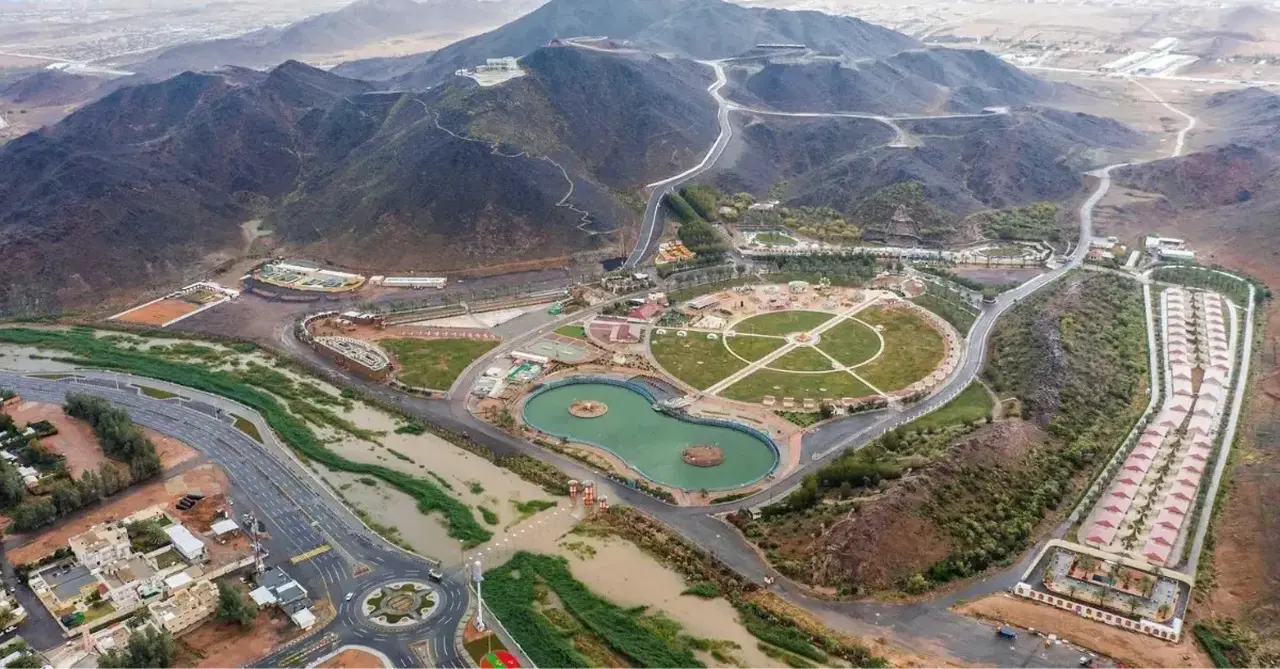
Saudi Arabia’s north-central city of Hail attracted more than 3 million visitors in the first half of 2025, marking a significant rise from the 1.1 million during the same period last year, as reported by the Saudi Press Agency. The increase marks a 170% surge, with visitor numbers nearly tripling year on year.
Rising interest in rural and cultural tourism is driving growth, as travellers explore the region’s mountainous landscapes and heritage sites. Hail is home to two Unesco World Heritage Sites – Jabal Umm Sinman in Jubbah and the Shuwaymis rock carvings – both featuring ancient petroglyphs that trace back to prehistoric times.
Year-round festivals continue to play a role in Hail’s tourism calendar. The 2025 Beit Hail Festival, dedicated to traditional artisanal practices, attracted more than 27,000 visitors, while the Hail International Arabian Horse Show draws participants and spectators from across the kingdom and beyond.
RELATED:
Saudi Arabia, Qatar to launch high-speed rail link
Jeddah Airport logs 9% growth in passenger numbers in 2025
Beond and Jazeera to launch charter flights in Saudi Arabia
To accommodate growing demand, Saudi municipalities are investing SAR179 million in new accommodations, including rural lodges and the upcoming Aja Hills development featuring a hotel and resort. Regional authorities have also signed new agreements to expand tourist routes to Hail and promote the destination internationally.
Sustainability remains a central focus for Hail. The city is known for its vast agricultural sector, hosting more than 15,000 farms across 240,000 hectares, and ongoing initiatives aim to protect local vegetation and wildlife.
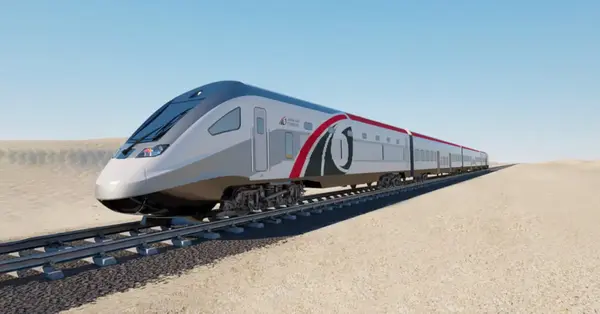
To enhance access to and from Hail, the government has invested SAR47 million in 13 new road projects spanning more than 350 kilometres. Beyond domestic connectivity, Saudi has unveiled a 785-km high-speed railway linking Riyadh and Doha airports. Once completed in 2031, it will cut travel time between the two capital cities to just two hours.
For more information, visit spa.gov.sa
Trending






Latest









Jacobs Media is a company registered in England and Wales, company number 08713328. 3rd Floor, 52 Grosvenor Gardens, London SW1W 0AU
© 2025 Jacobs Media
