




You are viewing 1 of your 2 free articles
Missile fallout: UAE visitors braced for impact of Iranian air strikes
As defence forces successfully intercept attacks, Gulf state establishes contingency plans to address travel disruption
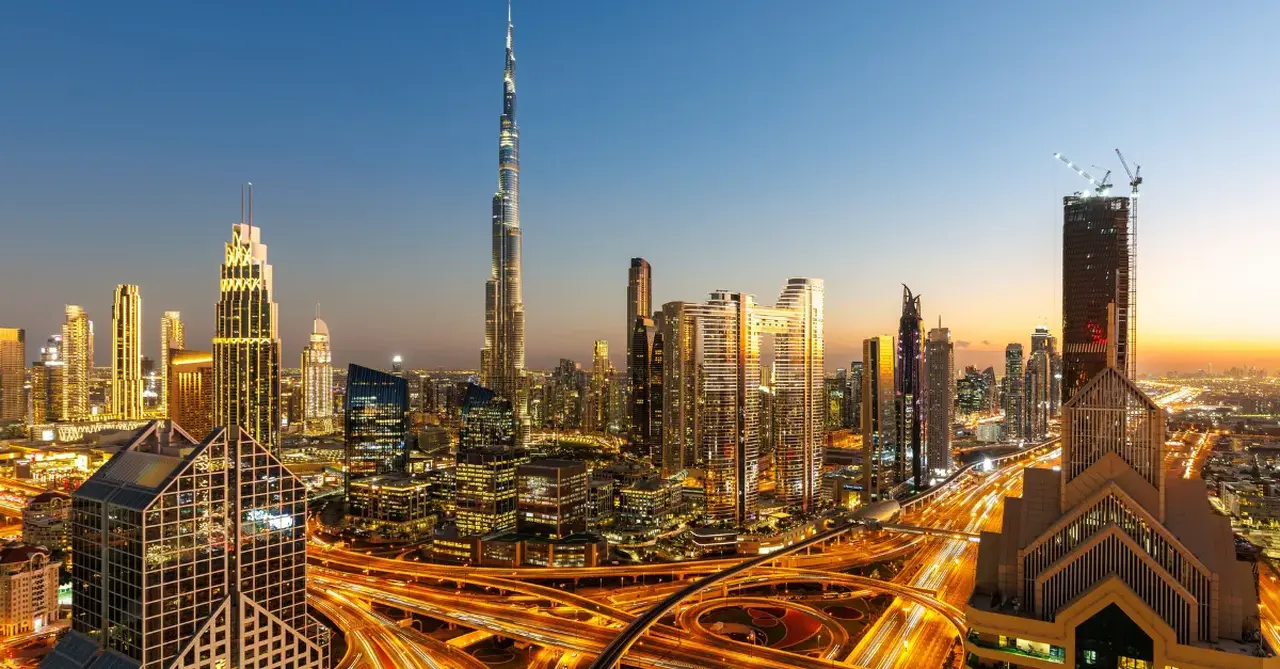
Due to the ongoing threat of missile strikes, airspace remains temporarily closed across multiple Middle East nations, including the UAE, Qatar and Bahrain.
Following US-Israeli strikes against Iranian leadership and military targets on Saturday 28 February, Iran retaliated by launching ballistic missiles and armed drones at Israeli, US and allied bases across the Middle East region. It was later confirmed that Iran’s Supreme Leader Ali Khamenei was killed in the US-Israeli strikes.
News agencies have reported attacks on Israel, Iraq, Jordan, Kuwait, Saudi Arabia, Qatar, Bahrain and the UAE. Holidaymakers have been most severely impacted in the UAE, with the attack coming during peak season, but the situation on the ground is stable.
As of Sunday 1 March, UAE defence forces have successfully intercepted more than 152 ballistic missiles and 506 drones. All news feeds and internet access remains uninterrupted, and facilities such as supermarkets remain open. Embassies and authorities quickly issued clear communications, including direct-to-smartphone alerts, advising residents and visitors in the UAE to remain calm, seek shelter in their homes or hotels, and stay away from windows and doors as a safety precaution, while forces eliminated the threat of missiles.
In its latest statement, Dubai Media Office said: “Dubai’s private sector continues to operate normally, with most commercial activities running without disruption. We commend the sector’s commitment and resilience in sustaining the emirate’s economic momentum.”
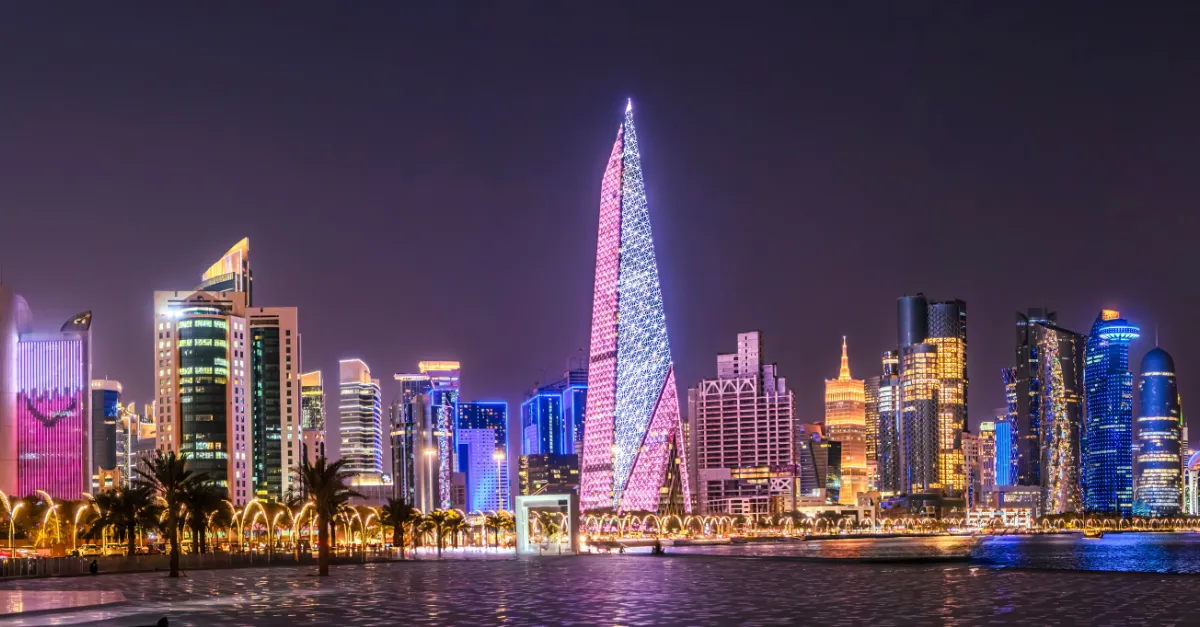
Tourism infrastructural impact in the UAE
Though significant, infrastructural damage caused by falling debris from Iranian missiles has been limited due to the prompt responses of the UAE’s Civil Defence teams.
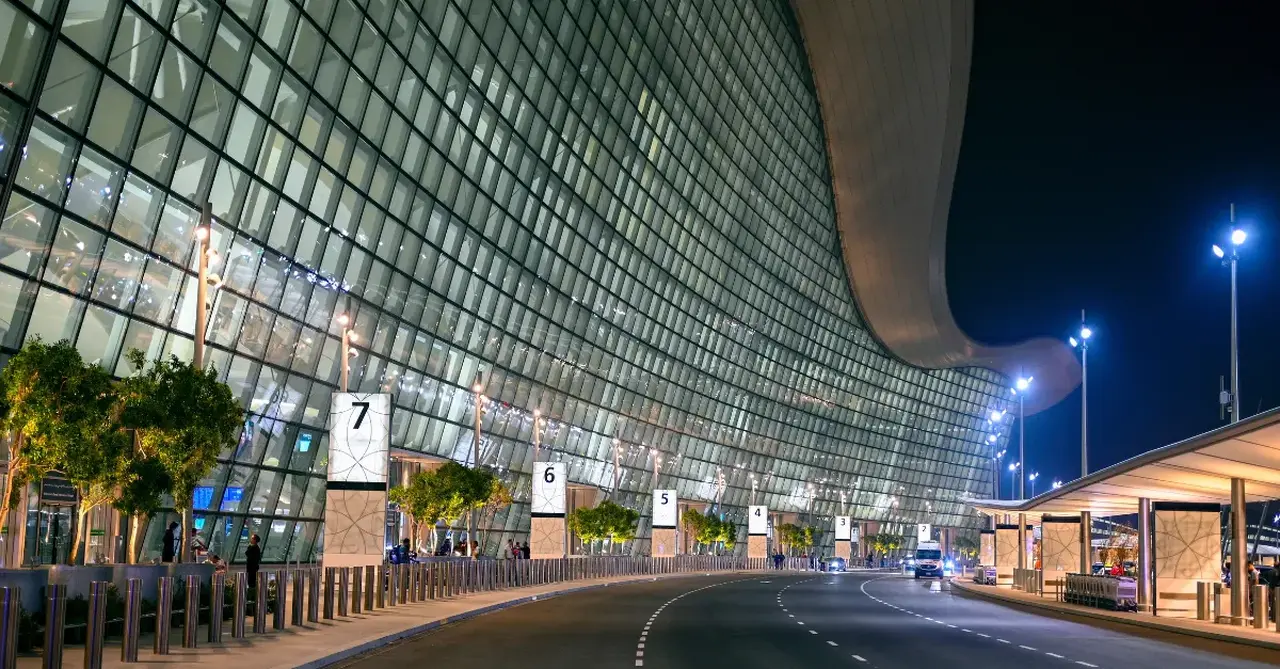
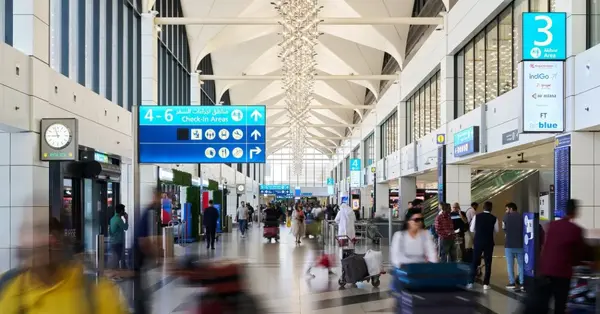
Airports: In Abu Dhabi, authorities said a drone targeting Zayed International Airport (AUH) was intercepted, but falling debris killed one person and injured seven others. Dubai Airports confirms that a concourse at Dubai International (DXB) sustained minor damage in an incident, which was quickly contained. Four staff sustained injuries and received prompt medical attention. Due to contingency plans already in place, most of the terminals were previously cleared of passengers.
Ports: Dubai authorities confirmed that debris resulting from an aerial interception caused a fire at one of the berths at Jebel Ali Port. No injuries have been reported.
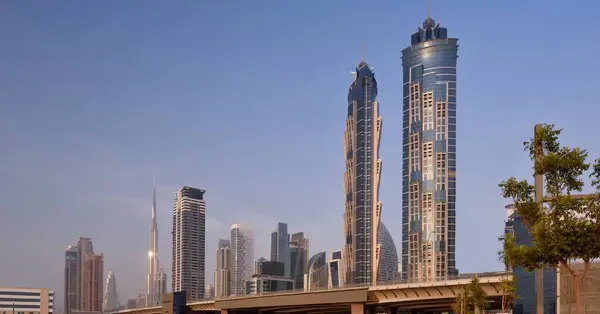
Hotels: The iconic Jumeirah Burj Al Arab hotel suffered minor fire damage due to falling debris. Dubai Media Office issued a statement that read: “Authorities confirm that a drone was intercepted, and debris caused a minor fire at the Burj Al Arab. Civil Defence teams responded immediately and brought the incident under control. No injuries have been reported.”
In a fire also caused by falling debris at Fairmont The Palm hotel on Palm Jumeirah, four people were reportedly injured. On high alert, the UAE’s emergency services responded immediately, and the fire was quickly brought under control.
RELATED:
Etihad posts near 50% jump in profit in 2025
IHG spotlights Saudi hospitality with 2026 Ramadan campaign
UAE confirms 4-day Eid Al Fitr holiday
Flight delays across the globe
The UAE, Bahrain, Qatar, Kuwait, Iran, Iraq and Israel have all temporarily closed their airspace amid the conflict. According to global flight tracking data, more than 2,300 flights were cancelled across the region on Saturday, with a further 700 cancelled on Sunday. Worldwide, delays have reportedly impacted 18,000 flights, including connecting flights routed via the region, seeing an estimated 150,000 to 200,000 travellers diverted or temporarily stranded.
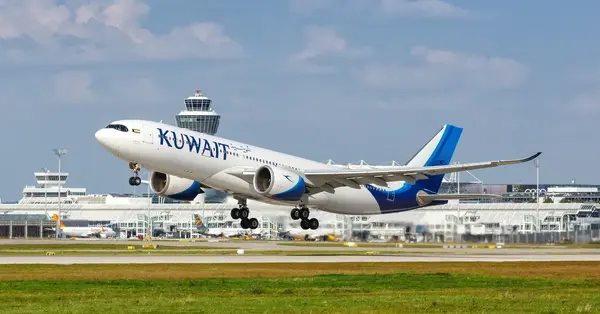
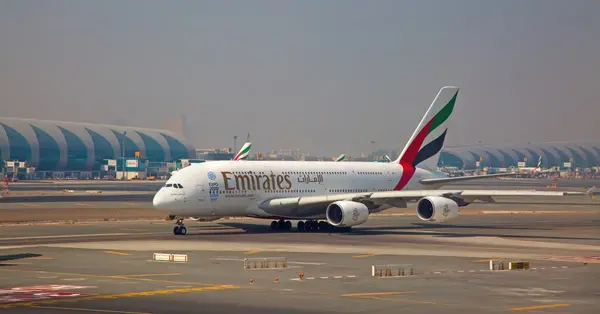
Dubai Airports confirmed on 28 February that all flight operations at Dubai International (DXB) and Dubai World Central – Al Maktoum International (DWC) are suspended “until further notice”, while UAE carriers Emirates, Flydubai and Etihad Airways stated that cancellations and delays should be expected.
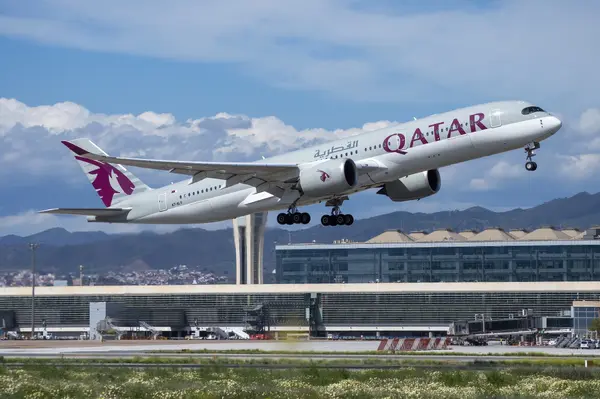
Qatar’s Hamad International Airport (DOH) has halted all flights and Qatar Airways confirmed a “temporary suspension” of services and warned of ongoing delays as operations gradually resume. Additional ground teams have been deployed at key Gulf airports to assist affected passengers.
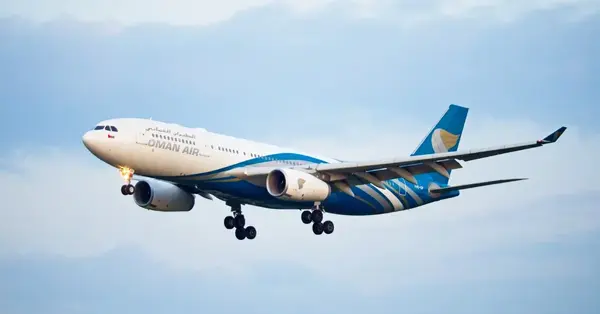
Bahrain’s Gulf Air confirmed similar operational challenges, while Oman Air announced that flights to and from Amman, Khasab and Moscow are cancelled, and regional services to Dubai, Bahrain, Doha, Dammam and Kuwait are “temporarily suspended”.
Airlines are urging passengers to verify their flight status before travelling to airports. Emirates, Qatar Airways and Etihad are offering flexible rebooking or refund options for affected travellers, with conditions varying by fare class.
What’s next for holidaymakers in the UAE?
While the UAE’s sun-blessed beaches remain empty, both residents and holidaymakers in the region have been advised to remain indoors, register their details with their embassies and follow official sources for the latest updates.
A comprehensive set of contingency plans are already in place across the UAE. The Department of Culture and Tourism – Abu Dhabi (DCT Abu Dhabi) has requested hotels extend the stay of guests who have reached their check-out date but are unable to travel. The cost of the extended stay will be covered by DCT Abu Dhabi
The Istijaba Mental Health Support Hotline has been established as a free service for those who feel distressed. Anyone within the UAE feeling anxious or overwhelmed can call 800 1717 to be connected with trained mental health professionals who can offer emotional support in multiple languages, including English, Arabic and French. In case of an emergency or immediate danger, call 998.
The UAE’s Ministry of Human Resources and Emiratisation has advised the private sector to implement remote working arrangements for employees for a period of three days, from Sunday 1 to Tuesday 3 March. Further updates are expected as the situation unfolds.





Latest

Related Content





Jacobs Media is a company registered in England and Wales, company number 08713328. 3rd Floor, 52 Grosvenor Gardens, London SW1W 0AU
© 2025 Jacobs Media

