




You are viewing 1 of your 2 free articles
Prince William visits Saudi Arabia’s cultural tourism hotspots
British prince tours AlUla and Diriyah on first official visit to the kingdom
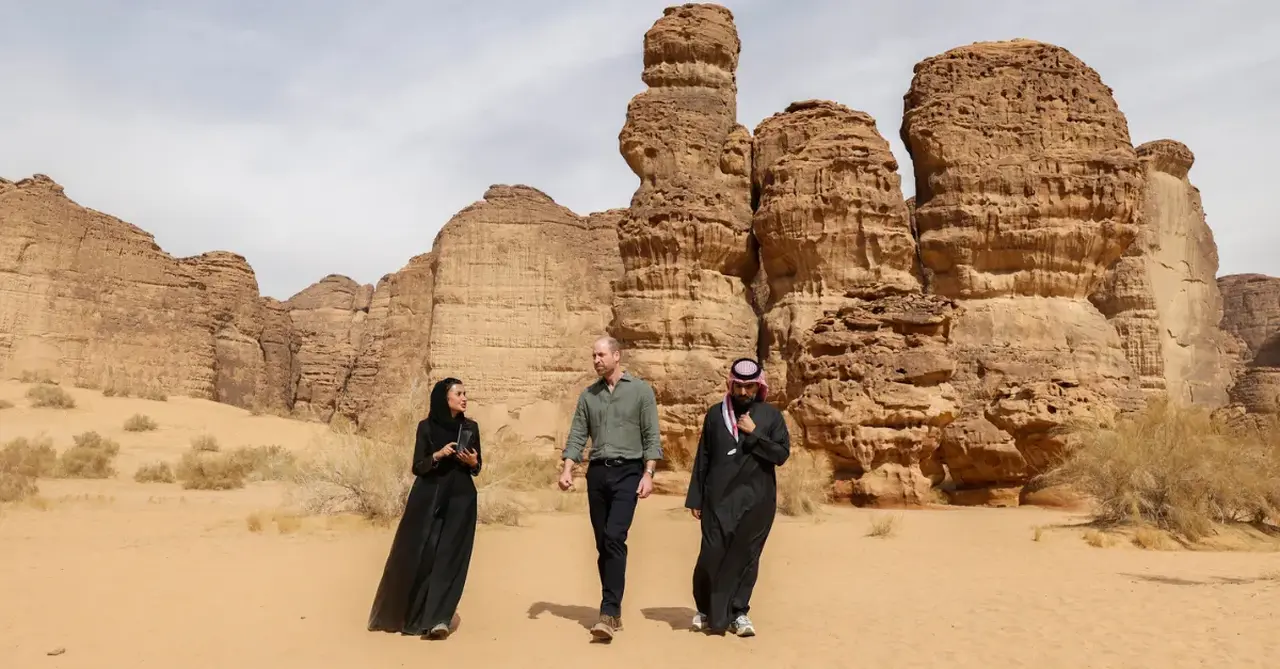
Britain’s Prince William, HRH The Prince of Wales, has undertaken his first official visit to Saudi Arabia, exploring key cultural and heritage landmarks in Diriyah and AlUla, where it was revealed that 2029 will be the official Saudi‑UK Year of Culture – a year-long programme celebrating shared heritage and artistic innovation.
The royal itinerary highlighted Saudi’s growing global cultural profile, encompassing heritage, sporting and creative hubs central to Vision 2030. The three-day visit culminated in AlUla, a 7,000-year-old archaeological area in Saudi’s Medina region, where Prince William toured the Old Town, the Incense Road, the Oasis Cultural District and the Sharaan Nature Reserve.
Accompanied by Saudi Minister of Culture and Governor of the Royal Commission for AlUla, Prince Bader bin Abdullah bin Farhan, His Royal Highness met with a group of Saudi Rangers who shared an overview of the reserve’s conservation efforts. He also heard about the reserve’s land restoration programme from the RCU’s Habitat and Restoration team and took part in an acacia tree-planting activity.
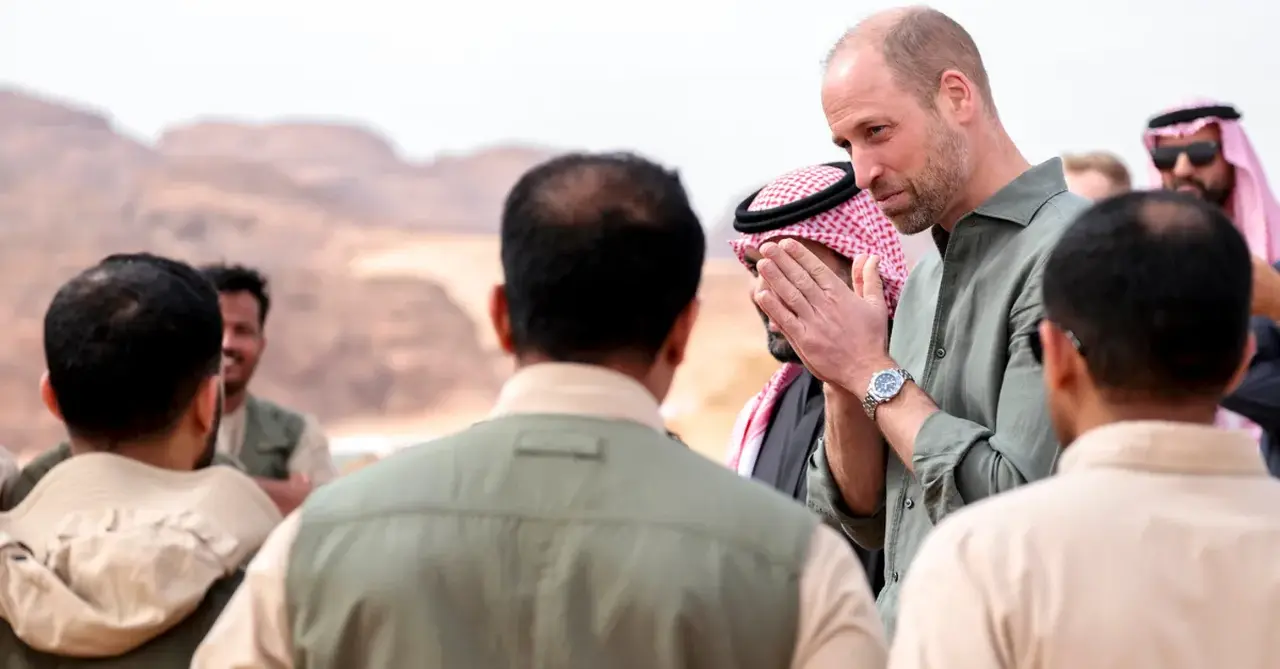
He then visited the ‘Dancing Rocks’ formation, where he learned more about ongoing environmental projects aimed at protecting and reintroducing native species, most notably the critically endangered Arabian Leopard.
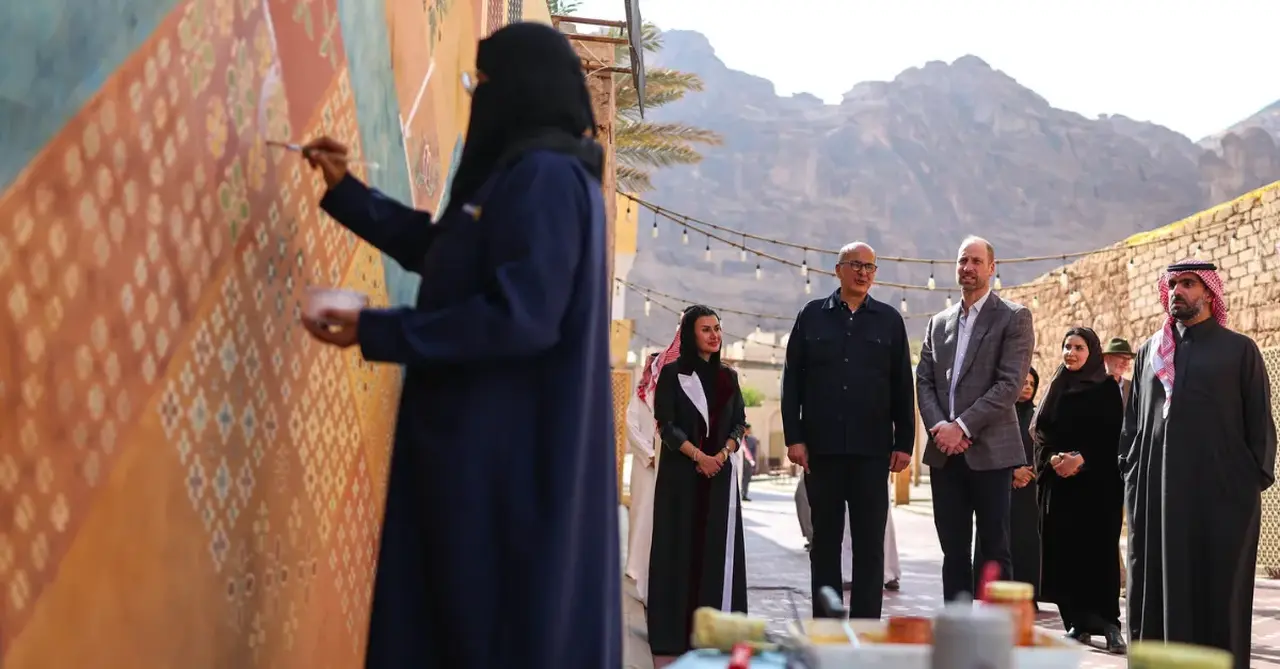
During his visit, which coincided with the AlUla Arts Festival, he met young Saudis participating in joint cultural programmes between the two countries and joined artists in the AlJadidah Arts District to celebrate the role of art in connecting nations.
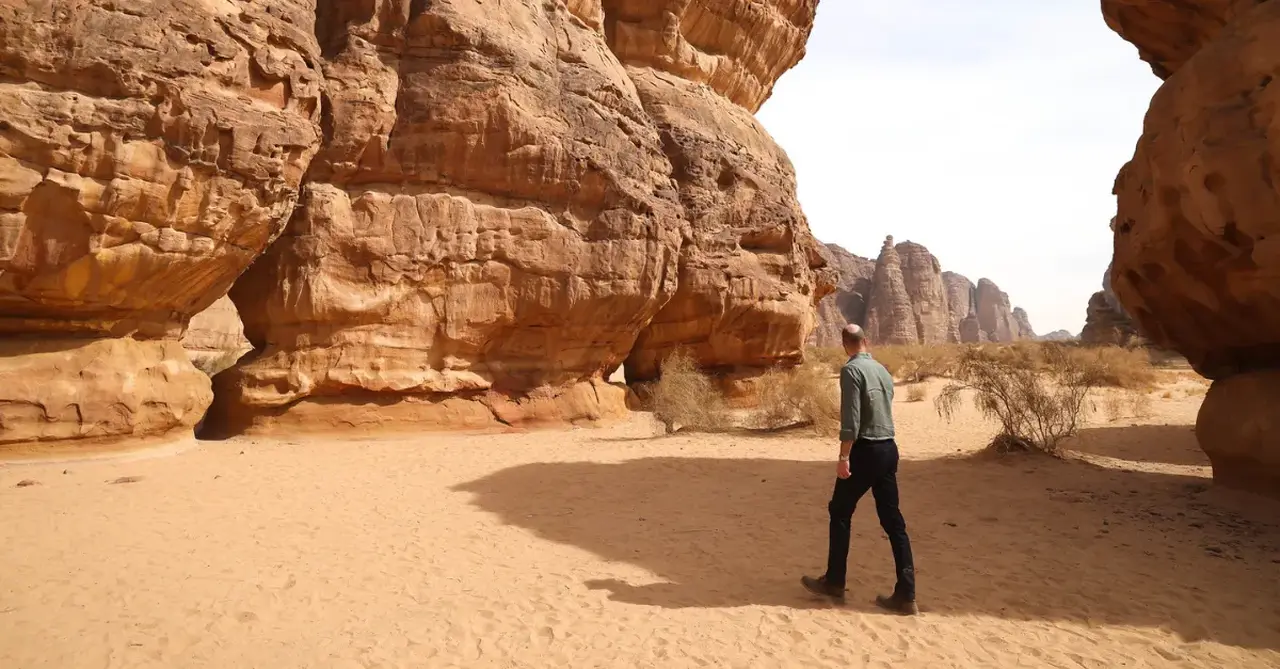
He also visited Prince of Wales House – a cultural space that showcases UK–Saudi collaboration in culture, creativity and regeneration – further highlighting the role of AlUla as a platform for cultural exchange.
AlUla continues to attract travellers drawn to its blend of heritage, culture and dramatic desert landscapes, and is home to Saudi’s first Unesco World Heritage Site, Hegra.
Visitor numbers to AlUla rose 9% in 2024, supported by growing hospitality capacity from brands including Banyan Tree, Habitas and Chedi, which has converted the former train station into a 35-key luxury heritage hotel.
Prince William tours At‑Turaif in Diriyah
Earlier in the trip, which also included visits to sports and esports facilities in Riyadh – both priority sectors alongside tourism under Vision 2030 – Prince William toured At‑Turaif, the Unesco World Heritage Site regarded as the birthplace of the Saudi state and the historic heart of Diriyah, the City of Earth.
Prince William was welcomed by Crown Prince Mohammed bin Salman, who also serves as Chairman of the Board of Directors of Diriyah Company.
RELATED:
Saudi Arabia to double tourism GDP as sector grows to 5%
Saudi Arabia’s Jeddah and Taif named 2027 World Region of Gastronomy
Saudi reserve earns Dark Sky status amid rise in astrotourism
“This visit represents the strong bonds that Saudi Arabia and the United Kingdom hold dear,” said Jerry Inzerillo, Diriyah Company Group CEO. “It was a privilege to have the opportunity to explain our future vision for Diriyah and to share the three centuries of history embedded in the walls of the At‑Turaif palaces and alleyways.”
Diriyah – a US$63.2 billion, 16-square-kilometre megaproject on the outskirts of Riyadh – is being transformed into a flagship tourism destination built around its culture and history. Already home to Bab Samhan, A Luxury Collection Hotel, and a growing collection of museums, galleries, retail and dining venues at Bujairi Terrace, the destination has welcomed more than three million visitors since opening its first assets.
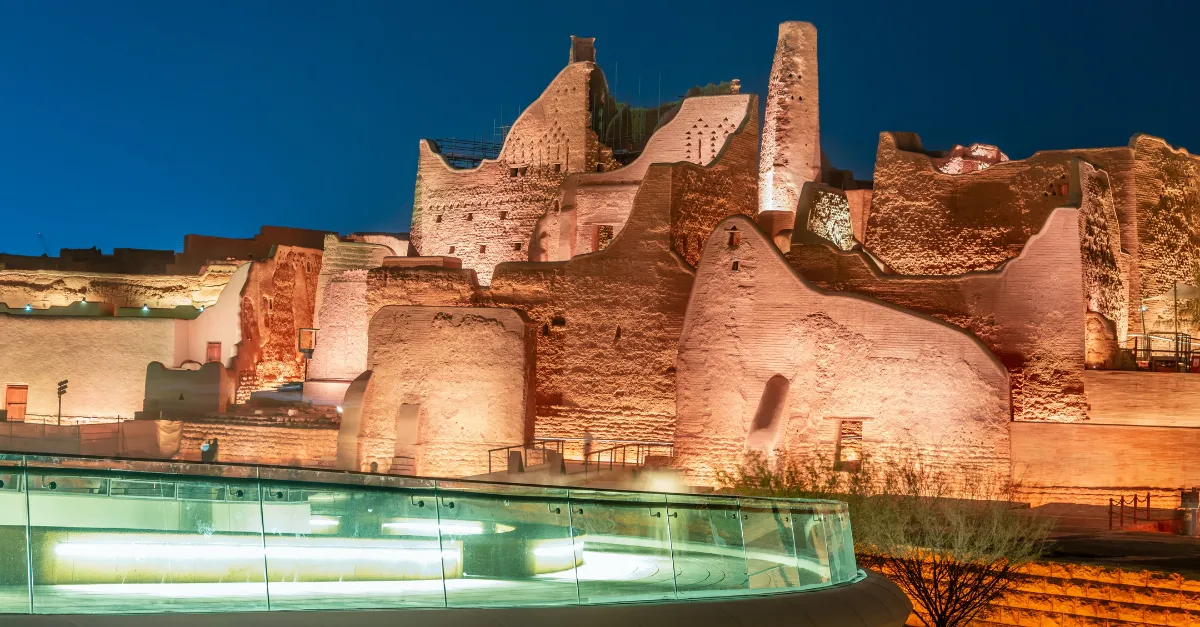 At-Turaif Unesco-listed site in Diriyah
When fully complete, Diriyah will feature 40 luxury hotels, 300 branded residences, 1,000 retail outlets, 150 restaurants and cafes, and 26 arts and culture centres, reinforcing its positioning as a global hub for heritage-led tourism.
Tourism remains a cornerstone of Vision 2030 as Saudi Arabia diversifies its economy away from oil, with the kingdom welcoming more than 122 million domestic and international tourists in 2025 – a 5% year-on-year increase that keeps it on track to reach its target of 150 million visitors by 2030.
For more information, visit rcu.gov.sa and experiencealula.com
Trending




Related Content



Jacobs Media is a company registered in England and Wales, company number 08713328. 3rd Floor, 52 Grosvenor Gardens, London SW1W 0AU
© 2025 Jacobs Media

