




You are viewing 1 of your 2 free articles
Saudi reserve earns Dark Sky status amid rise in astrotourism
MENA’s largest site boosts kingdom’s appeal for nocturnal experiences
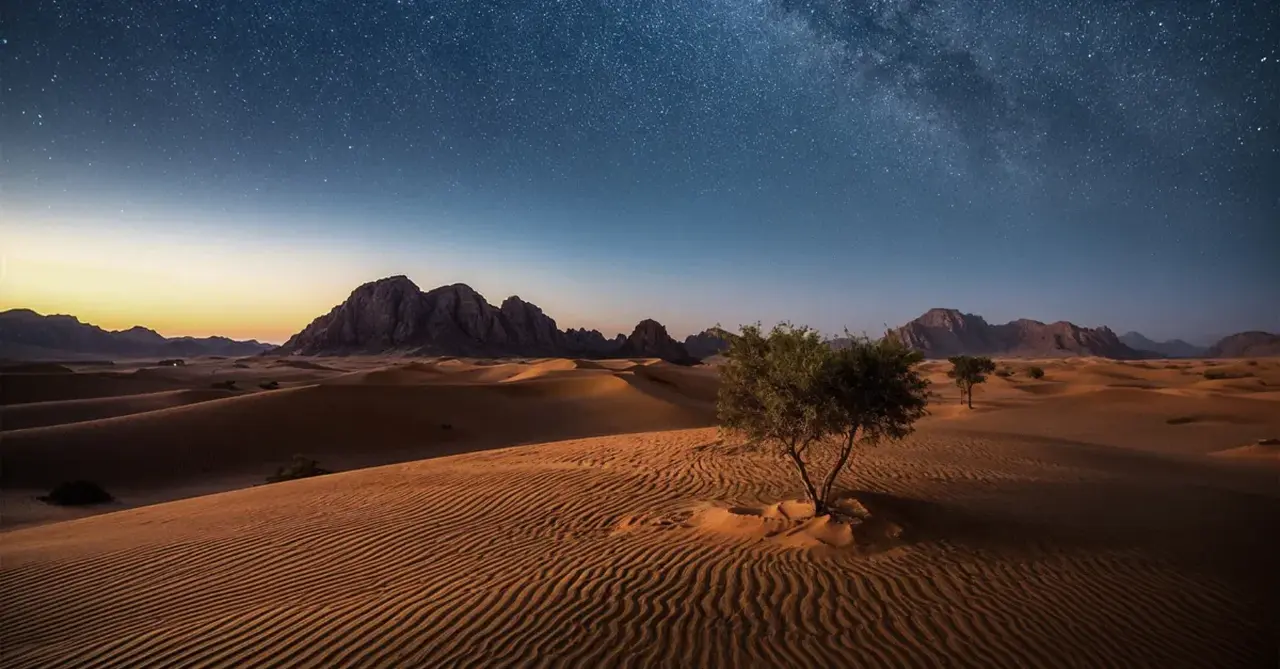
Saudi Arabia’s Nafud Desert has been listed as one of more than 250 Dark Sky Sites worldwide, strengthening the kingdom’s astrotourism credentials as it taps into global demand for immersive, nature-based night‑sky experiences.
Receiving official accreditation from global body DarkSky International, the AlNufud Dark Sky Park, located in the AlNufud AlKabir Desert in north-central Saudi, is now the largest Dark Sky Park in the MENA region, joining AlUla Manara and Al Gharameel Nature Reserves as the least light‑polluted sites in the kingdom and wider GCC region.
Covering 13,416 square kilometres — about three times the size of Dubai — the desert in Saudi Arabia’s Hail region, east of the Hail–Al Jawf road, is steeped in Bedouin traditions and known for its rich heritage and wildlife, from the oryx to the sand cat.
With its vast dunes and brilliant night skies, it is one of the Gulf region’s most popular destinations for camping, desert exploration and stargazing, offering some of the clearest and darkest night skies in the region.
RELATED:
European arrivals to Saudi Arabia up 14% in 2025
Saudi Arabia, Russia sign visa-free travel deal
Saudia launches fixed-fare subscription for domestic flights
IBTA, which oversees AlNufud Dark Sky Park as a designated destination for stargazing, has opened a Dark Sky Park Visitor Center, which will host a series of astronomy and stargazing events for the public throughout the winter season, while tourism facilities in the desert are also being developed near the zone.
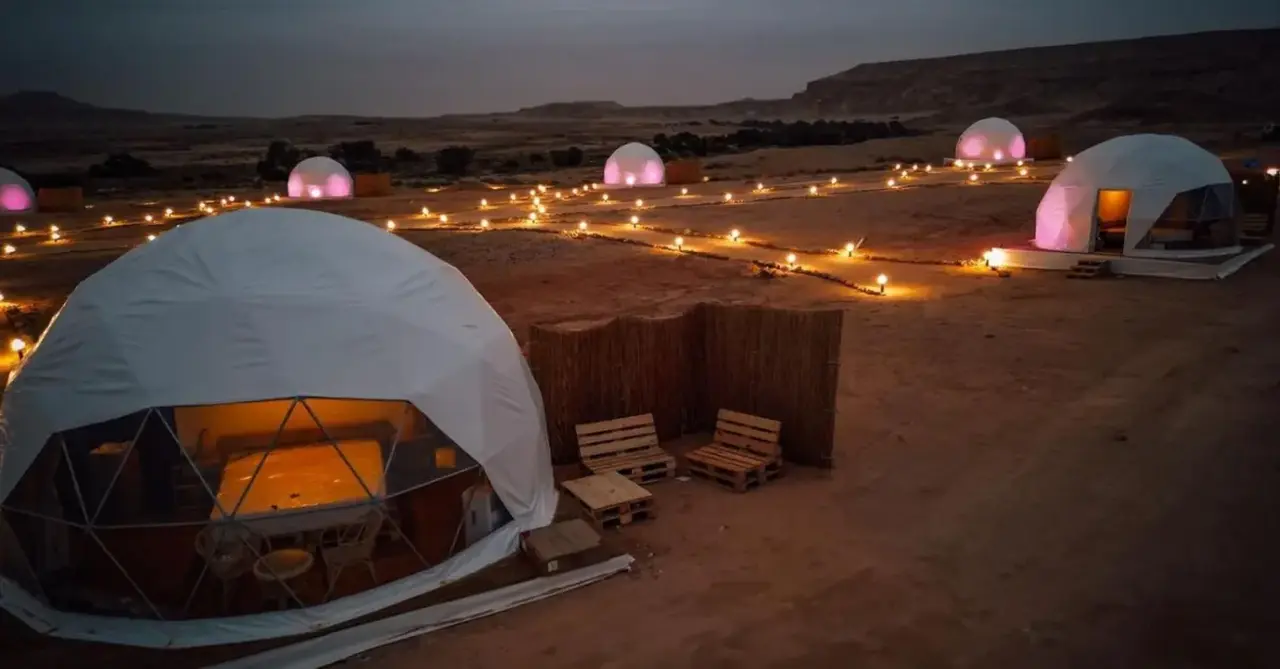
Among the recent additions in the Nafud Alkabir Desert is Leaf Camp, offering upscale dome accommodations with outdoor seating and activities such as stargazing, camel trekking and hiking.
Commenting on the accreditation, Dan Oakley at DarkSky said AlNufud Dark Sky Park would “help grow the number of certifications in Saudi Arabia and encourage tourists and residents alike”. Ahmed Al‑Qarni, official spokesperson at the royal reserve, added that the accreditation was another step in enhancing the kingdom’s position as a “leading destination in sustainability, nature protection and astronomical tourism.”
Saudi Arabia is positioning astrotourism as a niche growth pillar within Vision 2030, anchored in dark‑sky conservation and luxury desert experiences, with new sites in the pipeline including The Red Sea destination, which is aiming to become the Middle East’s largest designated Dark Sky Reserve.
The kingdom aims to integrate guided stargazing, astrophotography retreats and educational initiatives into key destinations such as AlUla, the Red Sea and Ashar Valley. Operators — from DMCs to hotels — are already introducing tailored experiences led by local astronomy experts, blending stargazing with Bedouin storytelling, firepits and curated dinners.
For more information, visit darksky.org/places/alnufud-itba
Trending




Latest





Jacobs Media is a company registered in England and Wales, company number 08713328. 3rd Floor, 52 Grosvenor Gardens, London SW1W 0AU
© 2025 Jacobs Media
