




You are viewing 2 of your 2 free articles
GCC poised for gains in US$2 trillion sports tourism market
PwC report says Saudi Arabia leads region as spending rises
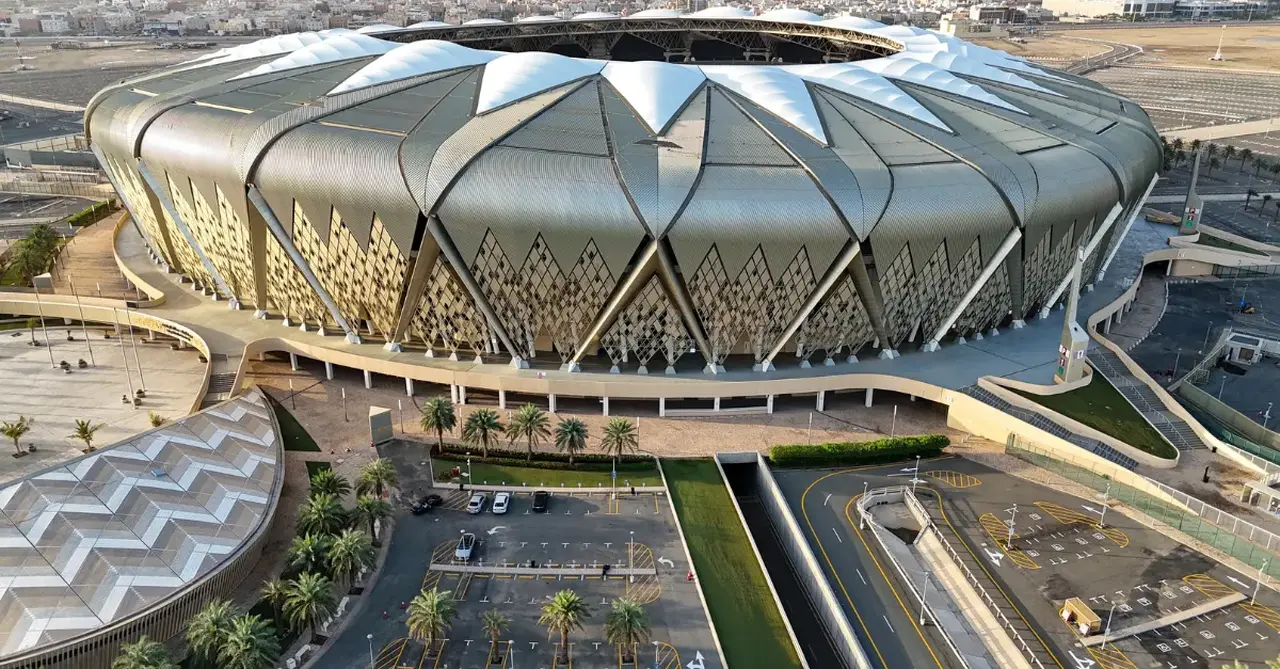
The GCC is positioning itself to capture a greater share of the world’s US$2 trillion sports tourism market by 2030, according to a new report by PwC Middle East.
Sports tourism now represents 10% of global tourism spend and is growing by 17.5% annually, with PwC estimating the GCC’s current 5-7% share is set to rise sharply as the region evolves from hosting major events to developing year-round, experience-led destinations.
Recent traveller research from Expedia and Hilton supports this outlook. Expedia found that 86% of UAE travellers are likely to attend a live sporting event, while Hilton’s 2025 Trends Report revealed that 45% plan entire holidays around sports or entertainment fixtures.
Saudi Arabia remains the region’s strongest performer, with its sports market projected by PwC to grow from US$8 billion to US$22.4 billion by 2030.
The expansion, driven by investments in new venues, esports and major international tournaments such as the 2034 FIFA World Cup, is expected to create 39,000 jobs and add US$13.3 billion to GDP.
RELATED:
Middle East to lead sports tourism boom, says Kearney
Saudi hospitality sector sees record double-digit growth
19% rise in Saudi Arabia inbound tourism spend
With outdoor activities limited during the hotter months, PwC says the region can also tap into esports to attract younger audiences and maintain year-round momentum.
Saudi hosted the Esports World Cup in 2025, drawing 3 million attendees to Riyadh, including an estimated 300,000 international visitors.
Sports tourists spend an average of US$1,500 per trip, according to Expedia, and a 2025 GSIQ study across 12 markets shows that affluent fans, especially those attending prestige events such as Formula 1, travel more often and spend significantly more per visit.
Across the region, PwC highlights growing opportunities in esports, women’s sports and multi-day festivals combining sport, retail and culture to extend visitor stays.
Qatar is exploring an Olympic bid, the UAE continues to expand its events calendar, and Bahrain’s Formula 1 weekend is emerging as a model for fan-driven tourism.
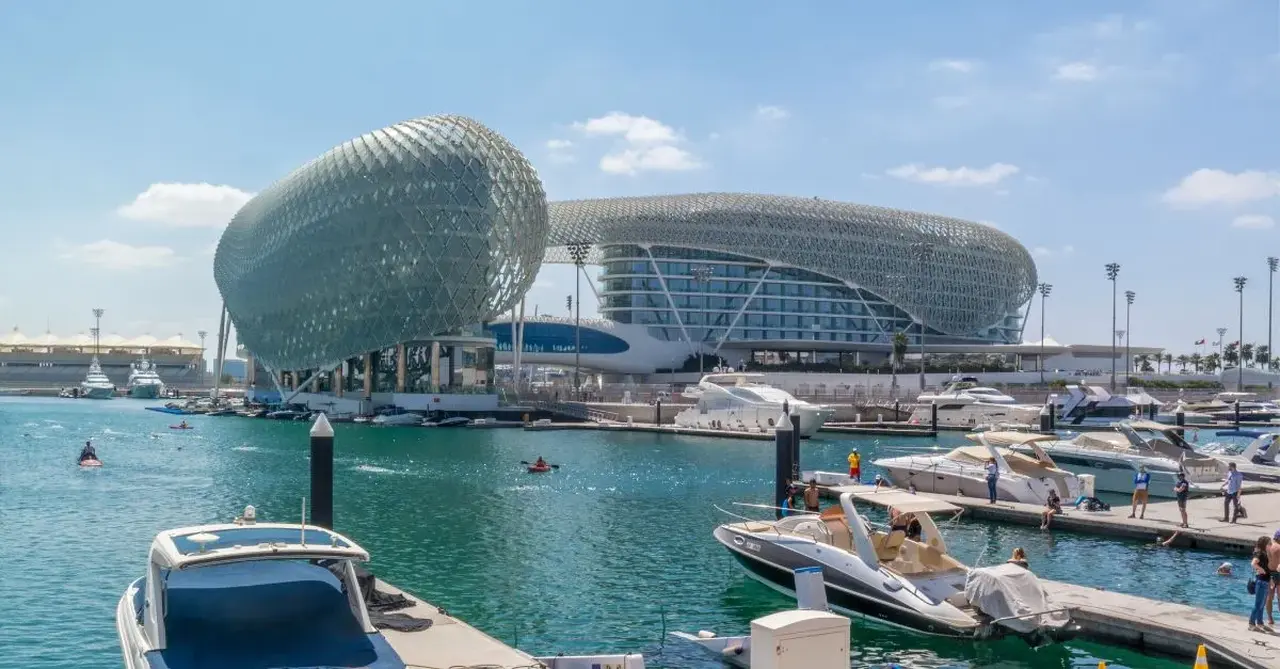
The Formula 1 Abu Dhabi Grand Prix has had a transformative impact on the city’s tourism, driving a 34% increase in international visitor spending and attracting 133,000 visitors from 178 countries during the 2024 event alone. The race consistently boosts international arrivals, particularly from Europe, and pushes hotel rates up by as much as 170% compared to non-race weeks.
The UAE has long hosted major golf, tennis and horse racing tournaments, drawing a global audience, while GCC-wide tourism benefits also surge during large-scale events.
During Qatar’s 2022 FIFA World Cup, arrivals across the region rose by an estimated 30%, with Dubai, Riyadh and Manama recording notable gains as fans used neighbouring cities as travel bases.
PwC advises GCC destinations to develop immersive sports experiences, enhance digital fan engagement and integrate sport into wider tourism and urban strategies to sustain visitor growth year-round.
“Hosting global events is just the start,” said Peter Daire, Senior Executive Advisor, PwC Middle East. “The next step is building destinations that attract fans year-round through richer experiences, digital innovation and connected regional links.”
For more information, visit pwc.com/m1/en
Trending







Latest








Jacobs Media is a company registered in England and Wales, company number 08713328. 3rd Floor, 52 Grosvenor Gardens, London SW1W 0AU
© 2025 Jacobs Media
