




You are viewing 1 of your 2 free articles
AI and small-group demand reshape tour packages
New research by Arival shows operators shifting to smaller formats and tech in next phase of growth

Arival, a travel industry research and events platform focused on tours and experiences, has found that multi-day tour operators are entering a new phase of growth, driven by rising demand for small-group travel and increasing adoption of AI.
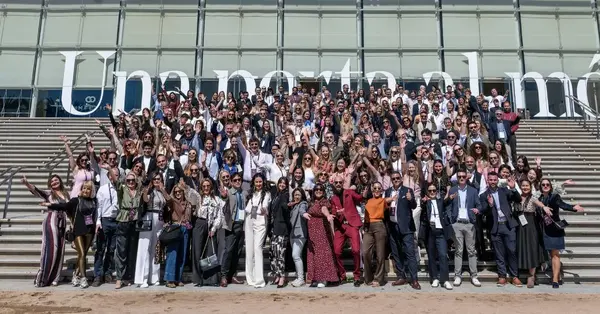
Published in the second edition of The State of Multi-Day Tours report, and based on a survey of 569 operators and nearly 50 executive interviews, the findings have been shared ahead of the Arival 360 Valencia event, where operators, OTAs and tech providers will gather in Spain to discuss the future of the experiences sector.
Smaller Groups, Longer Tours
One of the clearest shifts is towards smaller group formats, now offered by more than two-thirds of operators. For operators, smaller group formats offer opportunities to differentiate products while responding to changing traveller expectations around flexibility and exclusivity.
Tours of 10 or fewer guests have become the most common structure, reflecting growing demand for more flexible and personalised travel experiences, while itineraries of between eight and 14 days continue to dominate the market, indicating sustained demand for extended, experience-led travel.
RELATED:
UAE travel bookings driven by AI jump 57%
Use of AI tools to plan travel itineraries is on the rise
Qatar Airways partners with Accenture to personalise air travel
AI Gains
The report finds that 63% of operators are now using or experimenting with AI, signalling a move towards more digitally enabled operations.
Douglas Quinby, CEO and co-founder of Arival, said: "Multi-day tours are one of the most complex products in travel, and that complexity has held back digital distribution." But the sector is beginning to overcome long-standing barriers to digital transformation, with around six in 10 operators now using third-party booking systems or custom-built platforms to manage distribution and sales.
However, despite rising adoption of technology, many operators still relying on manual processes. Around half of all supplier bookings are still handled via email, while operators in regions including Asia-Pacific, Latin America and Middle East and Africa continue to operate without formal booking systems.
Quinby added that companies investing in systems and product structuring will be better positioned to compete. “The companies that embrace this transition will be the ones that pull ahead over the next five years,” he said.
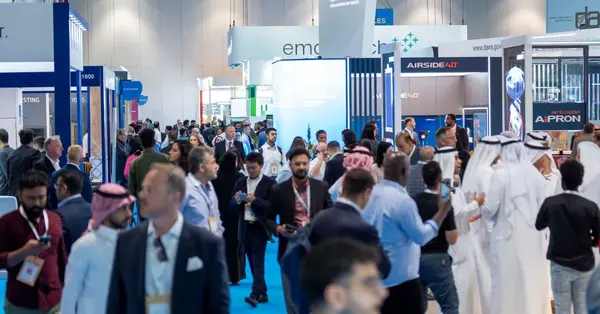
The findings will be a central focus at Arival 360 Valencia, taking place from 27 to 29 April 2026, with dedicated multi-day discussions, reflecting the growing importance of the segment within the wider experiences sector. Operators, OTAs, marketplaces and technology providers are expected to use the platform to explore distribution challenges, product development and the role of AI in scaling the sector.
For more information, visit arival.travel



Latest








Jacobs Media is a company registered in England and Wales, company number 08713328. 3rd Floor, 52 Grosvenor Gardens, London SW1W 0AU
© 2025 Jacobs Media

