




You are viewing 1 of your 2 free articles
Interview: Minor Hotels’ Amir Golbarg on the travel trends reshaping GCC hospitality
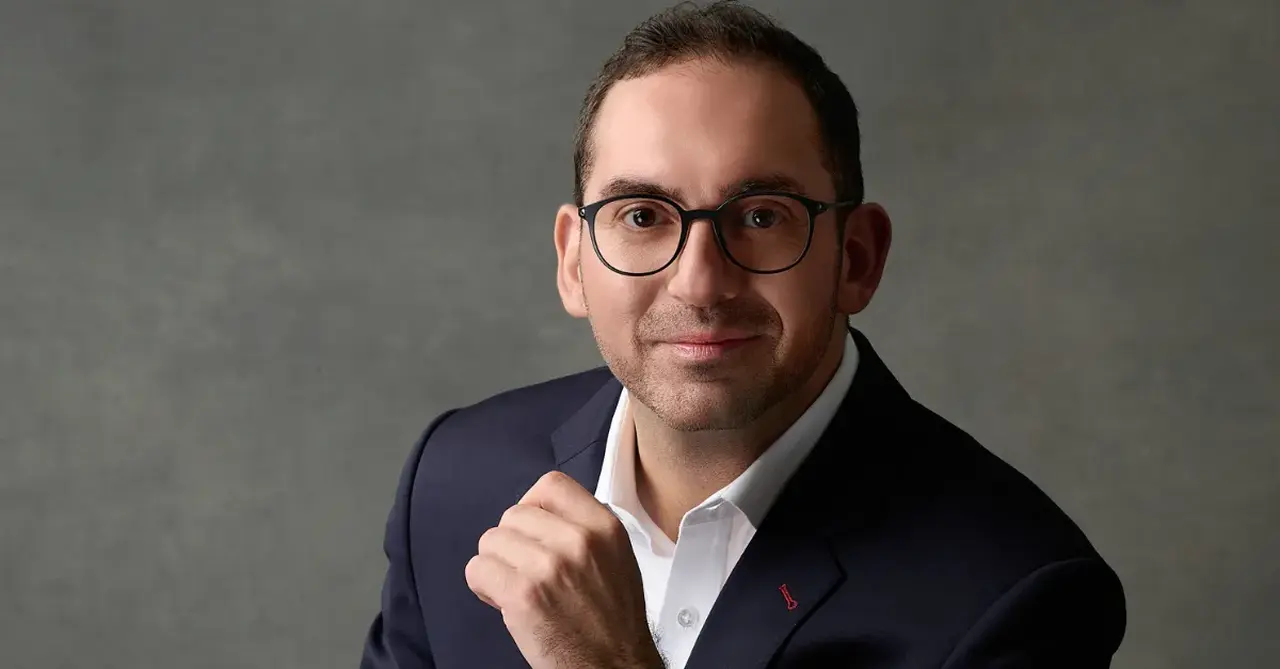
Meaningful connections and culturally rooted stays are taking centre stage, says Senior VP Middle East
As travellers look ahead to 2026, Minor Hotels’ inaugural Travel Trends Report signals a clear shift in priorities: journeys built around deeper connection rather than box‑ticking itineraries; culturally rooted stays; and food‑led local immersion are rising to the top of the agenda.
Across the GCC, Minor Hotels is aligning its 25-property portfolio around more emotionally resonant, locally grounded stays, from multi-generational design to expressing local culture through architecture, wellness and gastronomy under brands including Anantara, Avani, NH Collection, Oaks and Tivoli.
In this interview, Amir Golbarg, Chief Operating Officer, Middle East and Africa at Minor Hotels, tells Connecting Travel how guests’ search for meaning is redefining luxury, what younger travellers want from GCC hotels, and how an AI-first mindset can support more human-centric hospitality in 2026 and beyond.
CONNECTING TRAVEL: From your perspective, what will most define the traveller mindset in 2026, and how do you see this influencing hotel experiences in the GCC?
Amir Golbarg: Our inaugural Minor Hotels Travel Trends Report, which surveyed guests, revealed that 2026 will be defined by a powerful desire for connection – to people, to place and to purpose. Travellers are seeking experiences that go beyond comfort and transactional service; they want to feel part of something meaningful, immersive and authentic.
In the GCC, this means hotels must evolve into cultural gateways. Properties will need to curate experiences that celebrate local heritage, foster human interaction and support personal wellbeing. From bespoke culinary journeys to wellness programmes rooted in regional traditions, the focus will be on enabling guests to form genuine connections that enrich their lives.
RELATED:
Marriott COO unveils key openings and emerging travel trends for 2026
Interview: Amadeus’ Maher Koubaa reveals insights from Travel Trends report
Dubai debuts world-first citywide biometric hotel check-in
CT: Which aspects of the region’s destinations or culture do you think will most resonate with this desire for connection?
AG: Our research shows 85% of global respondents seek local experiences, with food, architecture and nature as the primary gateways to culture. These are areas where the GCC shines and are deeply embedded in the region’s identity.
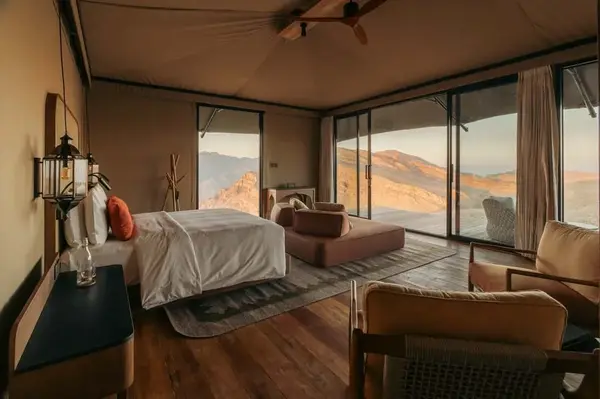
Architectural marvels in vibrant cities, the vast tranquillity of the Empty Quarter, and natural sanctuaries such as Sir Bani Yas Island in Abu Dhabi and Jabal al Akhdar, Oman’s Green Mountain, provide endless opportunities for authentic immersion.
Meanwhile, culinary traditions, from fresh coastal seafood to aromatic spices invite guests to engage with heritage through taste. When travellers connect with a destination’s stories and flavours, their stay becomes a journey of discovery.

CT: Sustainability, wellness and cultural authenticity are shaping key decisions for today’s travellers. How might these transform the concept of luxury across GCC markets?
AG: Our research shows that more than half of travellers believe environmental, cultural and social initiatives deepen their connection to a destination. They expect brands to act as enablers, guiding them on sustainable choices. Hotels can lead by demonstrating tangible environmental impact and by supporting local communities, like our Dollar for Deeds programme does.
CT: How do you see younger travellers influencing the design, operations and storytelling of hotels?
AG: Less extravagancy, more authenticity. Younger travellers increasingly seek genuine connections with the destinations they visit. This comes through in design that reflects local architecture, interiors crafted from indigenous materials, and culinary experiences rooted in regional flavours. One-of-a-kind activities that celebrate heritage and culture complete the picture, ensuring guests feel truly present in the location.
Our Anantara brand has long championed this approach, and we continue to evolve it through storytelling, sustainability and experiential design. By weaving authenticity into every touchpoint, we create stays that are both refined and emotionally resonant long after check-out.
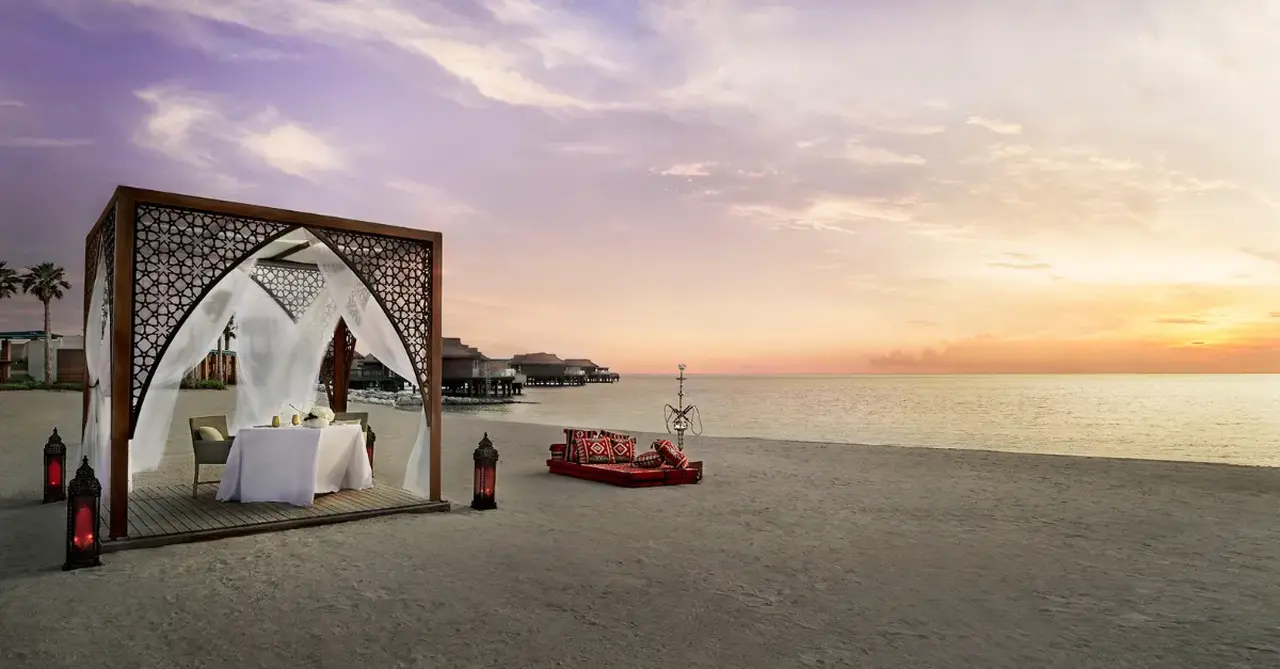
CT: As technology becomes more embedded in hospitality, how do you envision hotels balancing digital innovation with the emotional side of travel and human connection?
AG: Human connection remains the heart of hospitality. Technology should complement, never replace, the warmth and authenticity that define exceptional service. Our approach is clear: adopt an AI-first mindset that amplifies, rather than diminishes, the human touch. By automating the predictable, we empower our team members to focus on what truly matters: creating unforgettable, personalised experiences for guests.
Recent developments like Dubai’s approval of biometric, contactless hotel check-in show how innovation can simplify the journey while preserving its human core. By automating the predictable, we give our teams more time to create the moments that truly matter: empathy, personalisation, and care. The future of hospitality lies in blending digital ease with emotional intelligence.
CT: What potential disruptors or opportunities do you see shaping hospitality growth across the Middle East by the end of the decade?
AG: The Middle East’s future will be shaped by destination creation; developments that transform landscapes into living experiences. We’re seeing this across Saudi Arabia’s Red Sea coast, Ras Al Khaimah and Sharjah, where we have Anantara and NH Collection properties as well as branded residences underway.
This vision aligns perfectly with Minor Hotels’ DNA: to create places that inspire, connect, and celebrate their surroundings. As the Middle East continues to emerge as a global tourism leader, the greatest opportunity lies in building destinations that tell a story, not just open a door.
For more information, visit minor-hotels-travel-trends-report-2026
Trending




Latest





Jacobs Media is a company registered in England and Wales, company number 08713328. 3rd Floor, 52 Grosvenor Gardens, London SW1W 0AU
© 2025 Jacobs Media
