




You are viewing 1 of your 2 free articles
Interview: Victor Abou-Ghanem on the Gulf's evolving hospitality market
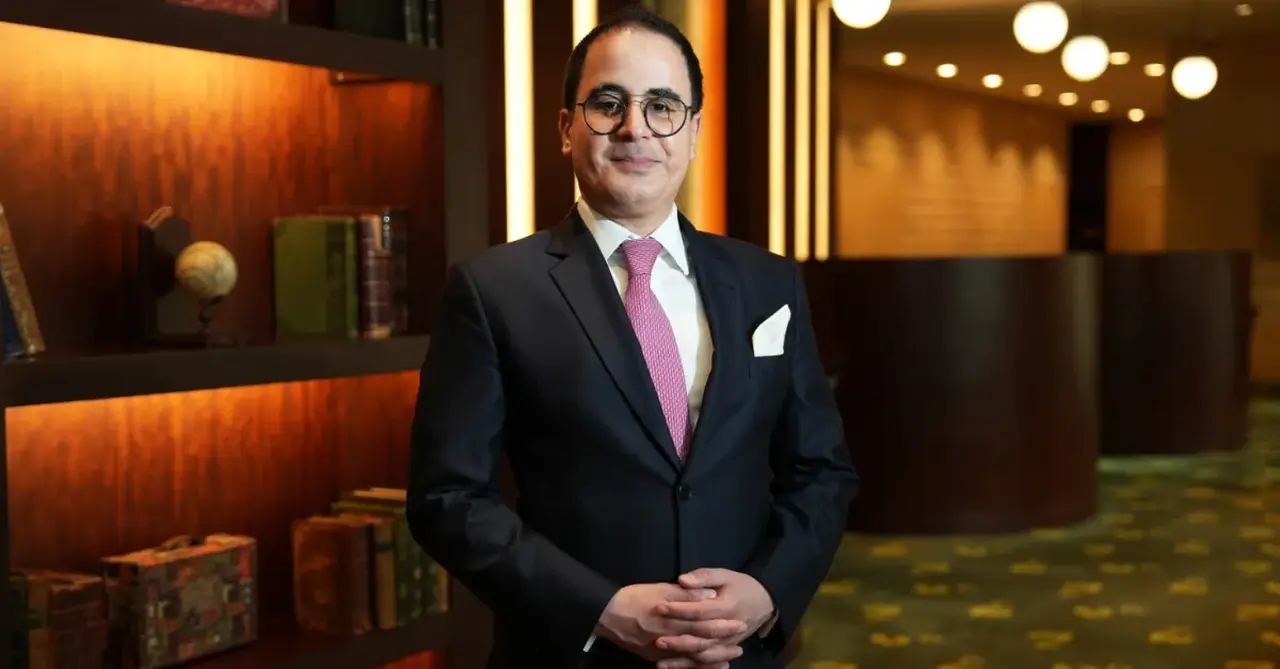
Technology should be used to empower rather than replace teams, says Story Hospitality CEO
Evolving guest expectations and rapid advances in technology are poised to reshape how hotels across the GCC are developed, operated and experienced over the next decade. Story Hospitality, the management arm of Abu Dhabi Capital Group, is responding by positioning its growing portfolio of premium hotels around data-driven operations, "guest-centric design" and responsible growth.
In this interview, CEO Victor Abou-Ghanem explains how the next wave of innovation – from invisible AI systems running hotel operations to longevity-led wellness – will reshape the region’s premium and luxury segments, and why the future belongs to operators that use technology to enhance, not replace, human connection.
CONNECTING TRAVEL: How is the profile of the GCC traveller changing?
VICTOR ABOU-GHANEM: The GCC traveller is becoming younger, more global and more demanding. Outbound travel from the region is forecast to almost triple in value between the mid 2020s and 2037, driven by higher disposable income, better connectivity and an appetite for year-round travel. At the same time, domestic and intra-GCC tourism is being reshaped by cultural mega-projects, heritage destinations and place-based storytelling.
For hotels, the new GCC guest expects four things as standard: frictionless digital journeys, authentic local experiences, visible wellness options and credible sustainability. Younger travellers, now a significant share of visitors to GCC destinations, want stays that feel social and experiential, from vibrant lobbies to curated programming, but they are also value conscious.
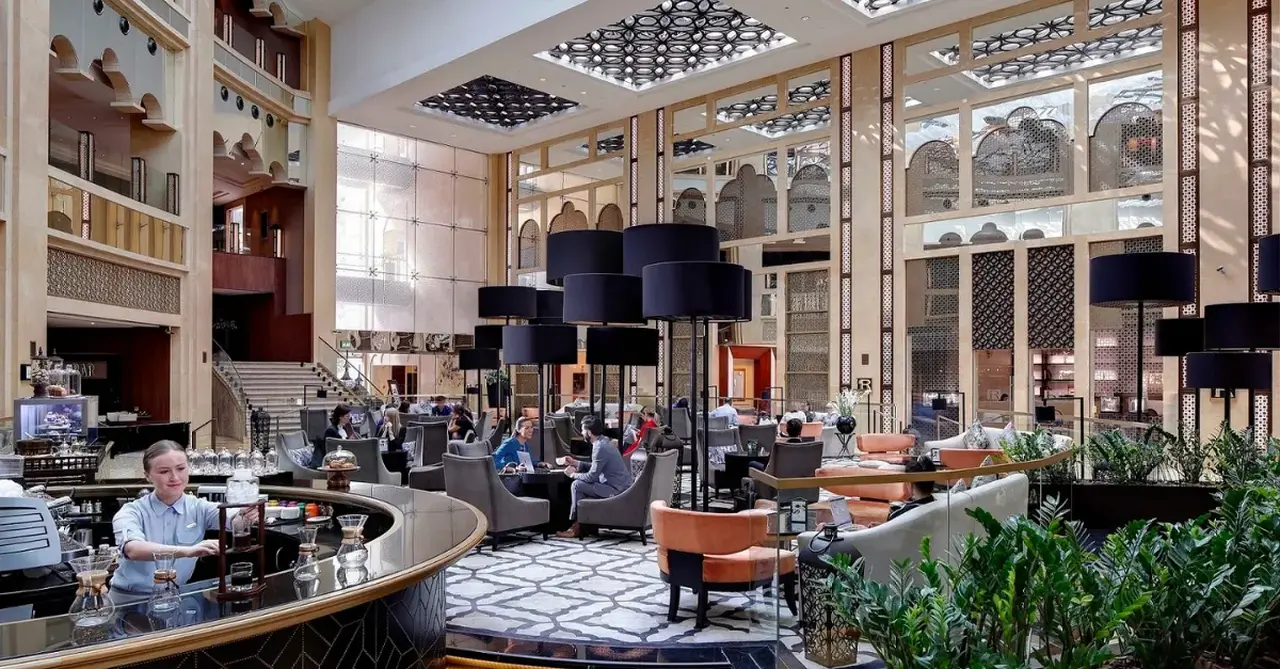
CT: Wellness travel is also driving bookings in 2026. What are guests looking for and how are hotels meeting demand?
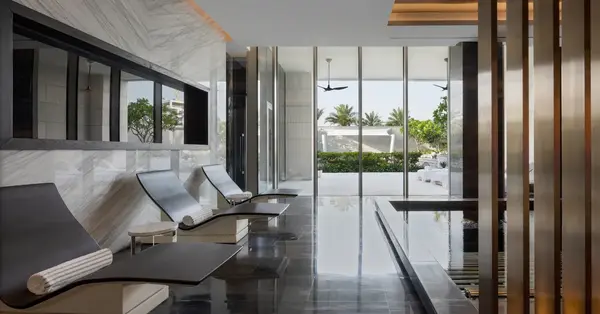
VAG: Wellness in the GCC has moved from spa menus to full ecosystems. The region is now one of the fastest-growing wellness tourism markets globally, with spending expected to rise at double-digit rates, outpacing general tourism growth.
Guests are looking for holistic routines such as restorative sleep, movement, nutrition, mindfulness and nature, and hotels are responding with integrated wellness journeys from in-room fitness and sleep programmes to destination-specific rituals, hammams, anti-ageing treatments and nature-based experiences. At Story Hospitality, we combine this with local sourcing, organic and plant-forward menus, seasonal produce and natural spa lines that use regional ingredients, alongside refillable amenities and reduced plastics.
Going forward, we expect three shifts. First, more medically-informed or longevity-focused offerings in partnership with clinics and wellness experts. Second, the deeper integration of local culture – traditional treatments, local superfoods, artisans and farmers – as a response to the demand for authenticity. Third, wellness that is inclusive of families and business travellers, not only retreat seekers.
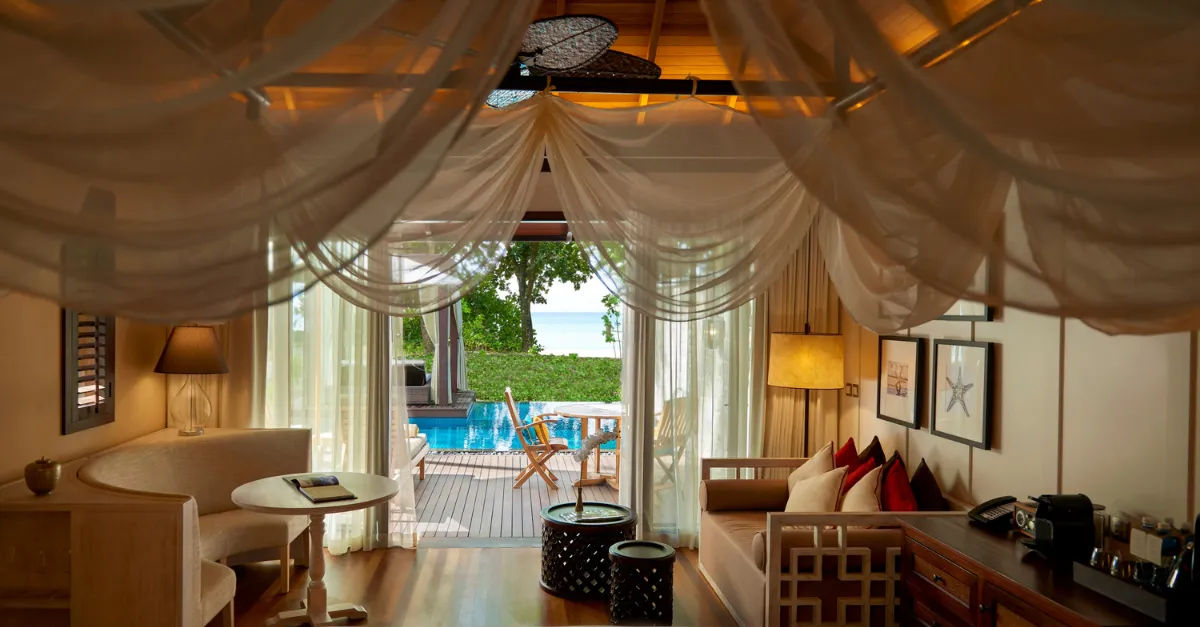
CT: What differentiates the premium segment from luxury in the GCC, and what unique opportunities exist for premium hospitality operators in this region?
VAG: In the GCC, luxury has historically meant scale: big footprints, extensive facilities and highly curated experiences. And while this segment will remain strong, especially in flagship destinations and ultra-luxury resort projects, we will see premium as the real ‘sweet spot’ for the next decade. Premium in this region is less about gold finishing and more about intelligent design, strong F&B, technology and a sense of place at an accessible price point.
For investors, it offers lower build and operating costs than ultra luxury, while still capturing high-spend segments like younger affluent travellers, regional weekenders and corporate executives. For us, this is exactly where Story Hotels & Resorts and Cue Hotels are positioned – stylish, lifestyle, premium hotels and resorts that are distinctive, but operationally disciplined.
We see opportunities in mixed-use developments, branded residences and city fringe locations where guests want a strong experience without paying for underused excess.
RELATED:
Hospitality leaders chart future of luxury travel at Riyadh event
Interview: Rotana CCO on “compelling loyalty story” for travel agents
Dubai debuts world-first citywide biometric hotel check-in
CT: How is technology reshaping operations and guest experiences?
VAG: In the region, AI-powered hospitality solutions are already a billion-dollar-plus market, as owners look for both productivity and personalisation. By 2035, we expect technology in GCC hotels to be invisible but omnipresent. AI will sit behind almost every decision, from revenue and distribution to housekeeping routing and food cost control, turning hotels into data-driven businesses with a very human front-of-house.
We see AI as culture, not just software. We are investing in AI-powered revenue management, automated CRM and smart energy optimisation, but the purpose is quite simple: free our teams to spend more time on areas where they can bring higher value – and this is with our guests, not on screens.
Clean energy and automation will also become core to asset value. In practical terms, a ‘standard’ GCC hotel in 2035 will likely offer paperless and keyless journeys, biometric identity, real-time translation, AI-assisted concierge and clear carbon reporting as part of the booking flow.
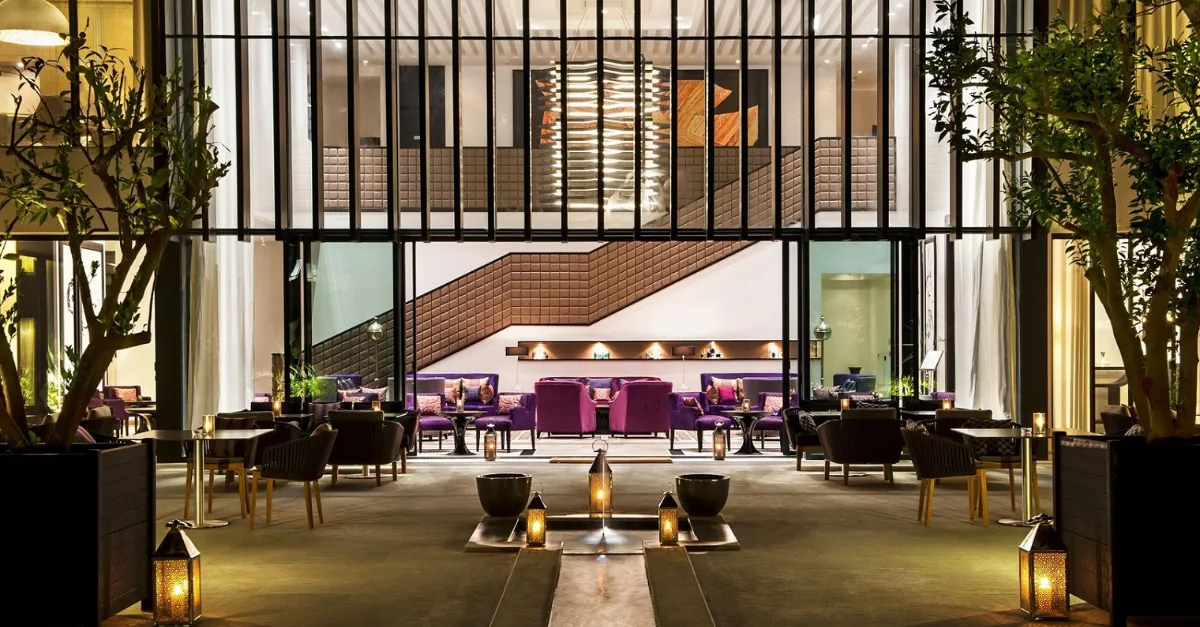
CT: What other developments could shape hospitality in the coming years?
VAG: Several structural trends will define the next decade. The first is ESG [Environmental, Social and Governance] becoming a business necessity, not a marketing choice. Hotels with strong sustainability credentials will be better protected from regulatory risk, more attractive to investors, as well as more competitive in corporate RFPs [Requests for Proposals] – and this is something we already observe in our own portfolio.
The second is the rise of mixed use and branded living. In many GCC markets, the most resilient projects combine hotels with residences, retail and offices, creating diversified income streams and year-round activation.
Then there’s talent. The winners will be operators who treat technology as a way to empower rather than replace their teams. Those that are investing in upskilling, multi-skilling and clear career paths for regional talent.
If we get these right – technology with a human core, wellness and sustainability embedded by design, and products that speak to both luxury and premium demand – the GCC can remain one of the world’s most dynamic hospitality laboratories well beyond 2035.
For more information, visit story-hospitality.com
Trending








Latest








Jacobs Media is a company registered in England and Wales, company number 08713328. 3rd Floor, 52 Grosvenor Gardens, London SW1W 0AU
© 2025 Jacobs Media
