




You are viewing 1 of your 2 free articles
UAE hotel revenues rise 8.8% to AED44.4 billion
Total guest nights climbed 6% to over 99.4 million
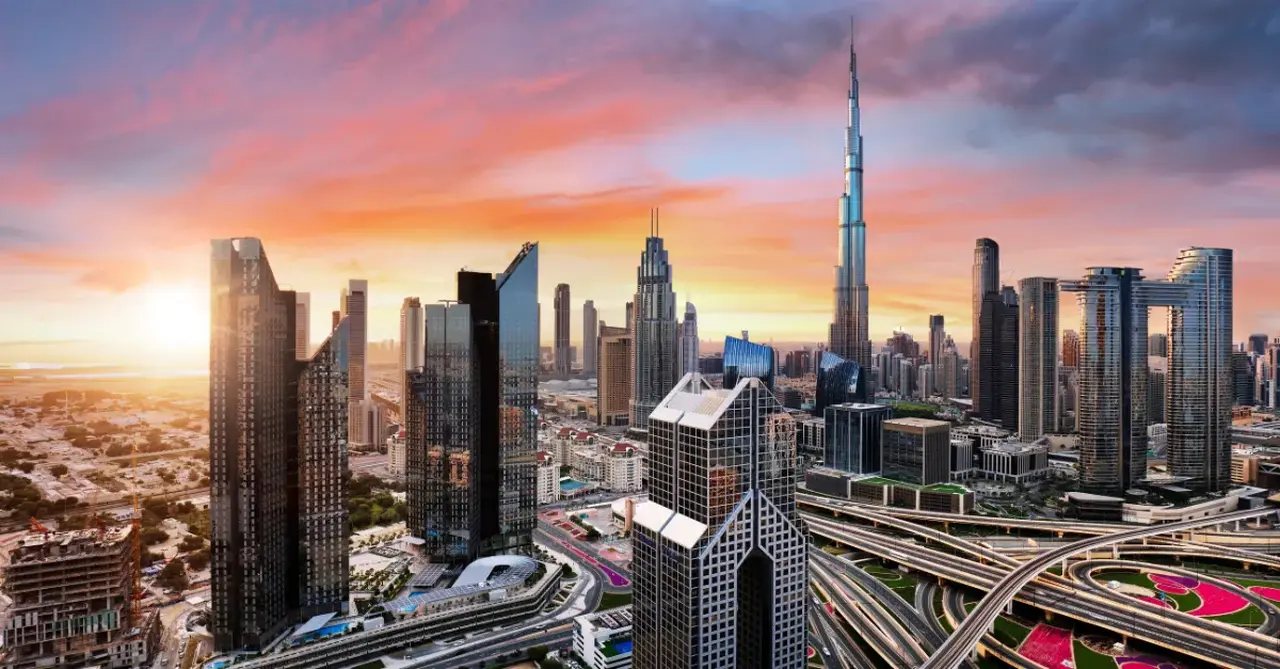
The UAE’s hospitality sector posted another year of strong growth, with hotel revenues reaching AED44.4 billion (US$12 billion) for the 11-month period from January to November 2025, an 8.8% increase over the previous year, according to the UAE Ministry of Economy and Tourism.
During the same period, hotels across the country welcomed 29.1 million guests, up 5.2% year-on-year, while total guest nights rose 6% to more than 99.4 million, reflecting robust demand from both domestic and international markets. As of 31 October 2025, the UAE’s hospitality inventory comprised 1,243 properties offering 216,000 rooms.
Growth was underpinned by a rise in room rates and sustained global demand. During the first 10 months of 2025, the country’s average daily rate (ADR) climbed 4.2% to AED557, up from AED534 a year earlier, while national hotel occupancy averaged 79.3%, placing it among the highest globally, according to Minister of Economy and Tourism Abdulla bin Touq Al Marri.
RELATED:
UAE airports on track for record 159 million passengers in 2025
Ras Al Khaimah welcomes record 1.35 million tourists in 2025
Dubai hotels log strongest December in nearly 20 years
Dubai continued to drive performance nationwide, recording its strongest December for hotel occupancy in nearly two decades, with citywide occupancy reaching 84.3%, CoStar data reveals. The emirate, which accounts for more than half of the UAE’s total room supply, hosted 17.55 million international visitors in the first 11 months of 2025, a 5% increase year-on-year and a new tourism record for the city.
Ras Al Khaimah also achieved record results, welcoming 1.35 million overnight visitors during 2025, up 6%, supported by a 12% rise in tourism revenues.
The surge in UAE’s hotel performance mirrored record aviation growth. UAE airports collectively handled an estimated 159 million passengers in 2025, up 8% from 2024.
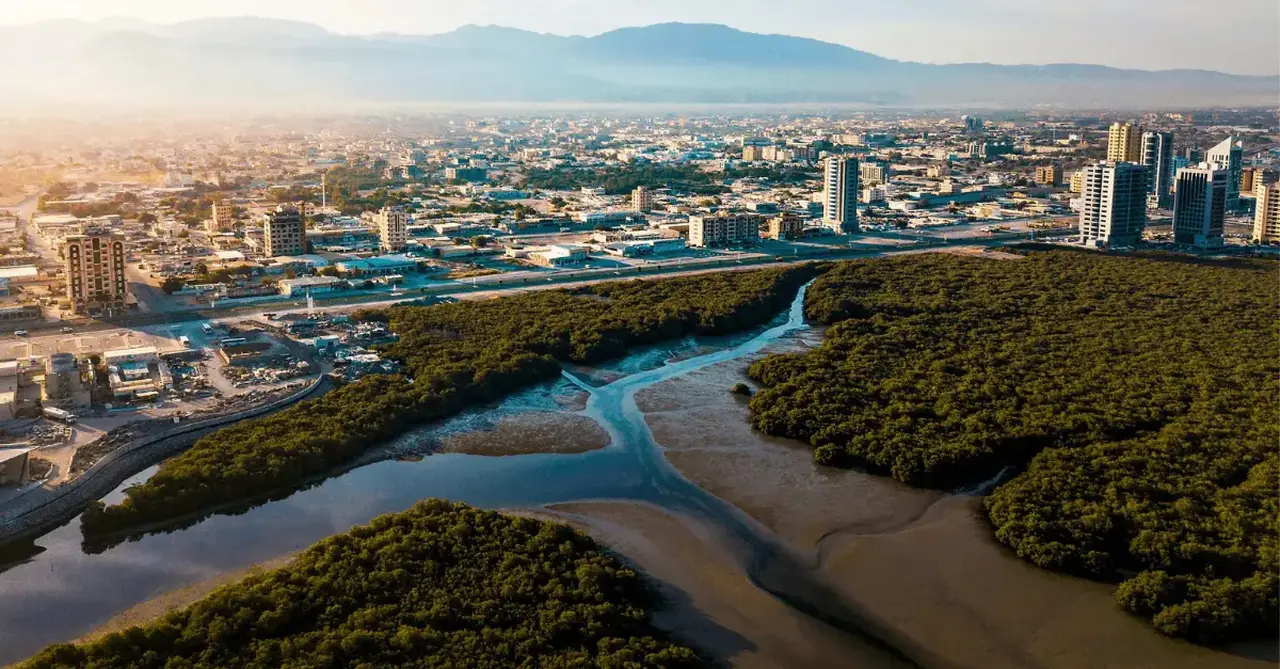
Dubai International (DXB) registered its busiest month on record in December with 8.8 million passengers, while Sharjah International Airport (SHJ) handled 19.4 million travellers, nearly 14% higher than in 2024, and Ras Al Khaimah International Airport (RKT) surpassed the one‑million‑passenger mark for the first time, up an unprecedented 51%.
Beyond record arrivals, the UAE achieved several key tourism milestones in 2025, including a ranking among the world’s top seven destinations for international tourism spending. In a landmark achievement, Shaikha Nasser Al Nowais was elected Secretary‑General of UN Tourism for the 2026–2029 term, the first woman to hold the post since the organisation’s founding.
Other highlights included Masfout village being named Best Tourism Village in the World and Al Ain being recognised as Capital of Arab Tourism 2026, following its title of Gulf Tourism Capital 2025.

The year also brought several high‑profile tourism and hospitality launches across the emirates. Dubai introduced the world’s first citywide remote check‑in system for hotels and holiday homes, unveiled plans for the AED2 billion Therme Dubai wellness destination and launched the UAE’s first dedicated recreational vehicle (RV) route, complete with a network of serviced parks and road‑trip facilities.
In Abu Dhabi, two world‑class museums opened, and plans were revealed for a Disney theme park and resort on Yas Island, set to become one of the region’s largest entertainment developments.
Speaking at the International Tourism Fair (FITUR) in Madrid, Abdulla bin Touq Al Marri, Minister of Economy and Tourism and Chairman of the Emirates Tourism Council, said the UAE has “successfully consolidated its position as a leading global tourism destination, attracting millions of visitors annually and delivering diverse, world‑class experiences.”
For more information, visit moet.gov.ae
Trending






Latest







Jacobs Media is a company registered in England and Wales, company number 08713328. 3rd Floor, 52 Grosvenor Gardens, London SW1W 0AU
© 2025 Jacobs Media
