




Saudi Arabia to add 94,500 hotel rooms amid luxury pipeline growth
Knight Frank projects a 358,000-room hotel pipeline across the kingdom
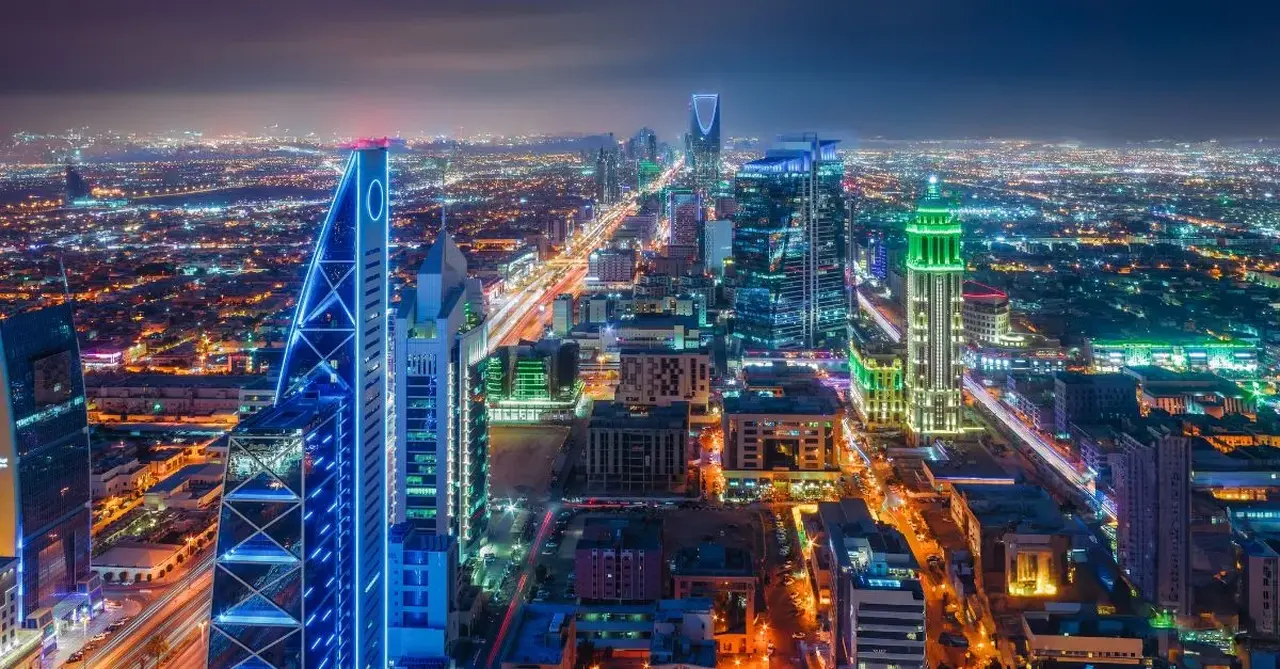
Saudi Arabia is set to add 94,500 hotel rooms to its 171,650-key market as part of a luxury‑led expansion across key destinations, new Knight Frank data shows. The additions sit within a wider pipeline of 358,000 planned rooms as the kingdom responds to rising tourism demand and gears up for upcoming mega-events.
Of the total planned supply, 252,000 rooms are slated for the Holy Cities of Makkah and Madinah, with nearly two thirds (64%) positioned in the four- and five-star categories. The capital, Riyadh, is also expanding rapidly, with an anticipated 19% increase in hotel keys to reach 30,330 by 2027.
This supply boom aims to support surging visitation and a growing preference for higher-end stays. Saudi currently has 171,650 operational keys, but occupancy is being fuelled by a steady rise in non-religious international travellers, who now make up 59% of total international arrivals, up from 44% in 2019, according to Knight Frank.
The momentum is set to continue ahead of major global events including Expo 2030 and the FIFA World Cup 2034, which are expected to further boost visitation and investment.
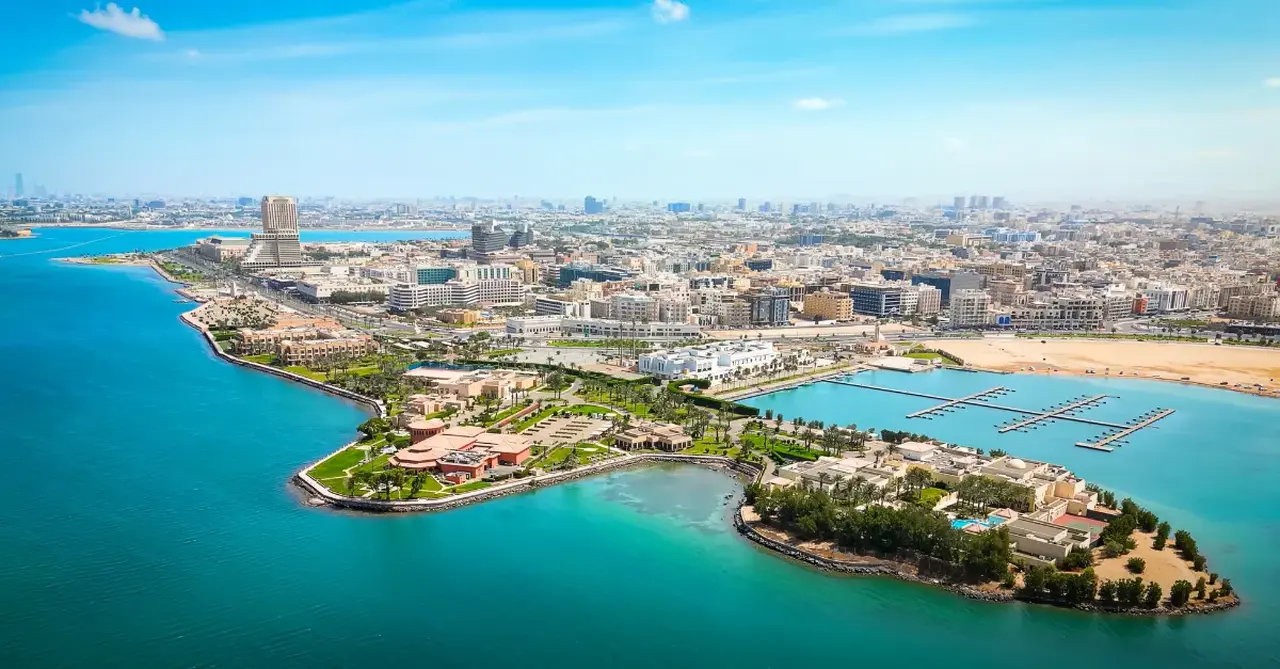
Knight Frank’s research shows that 60% of existing rooms fall within the luxury, upper-upscale and upscale brackets, a share projected to rise to 76% by 2030. The shift aligns with market preferences, as 83% of travellers now favour four- or five-star accommodation.
Tourism performance data from the Ministry of Tourism underscores this growth trend. Saudi Arabia welcomed more than 122 million domestic and international tourists in 2025, a 5% year-on-year increase. Spending rose 6% to SAR 300 billion (US$80 billion), while tourism’s contribution to GDP strengthened from 3.5% to 5%, keeping the kingdom on course to achieve its Vision 2030 target of 150 million visitors.
RELATED:
Saudi Arabia to double tourism GDP as sector grows to 5%
Prince William visits Saudi Arabia’s cultural tourism hotspots
Saudi Arabia opens Hajj visa applications four months early
Domestic trips power sector
Domestic tourism remains the backbone of the sector, representing 74% of total visitors last year. Nearly one in three (29%) Saudi nationals and expatriates travel within the kingdom every two to three months, a figure that rises to 50% for those earning above SAR80,000.
Staycations are also trending among Saudi travellers, with more than a third (36%) opting for extended weekend breaks lasting four to six days. Leading leisure destinations include Makkah, cited by 42% of respondents, while high-income travellers named Riyadh (61%) as their top choice.
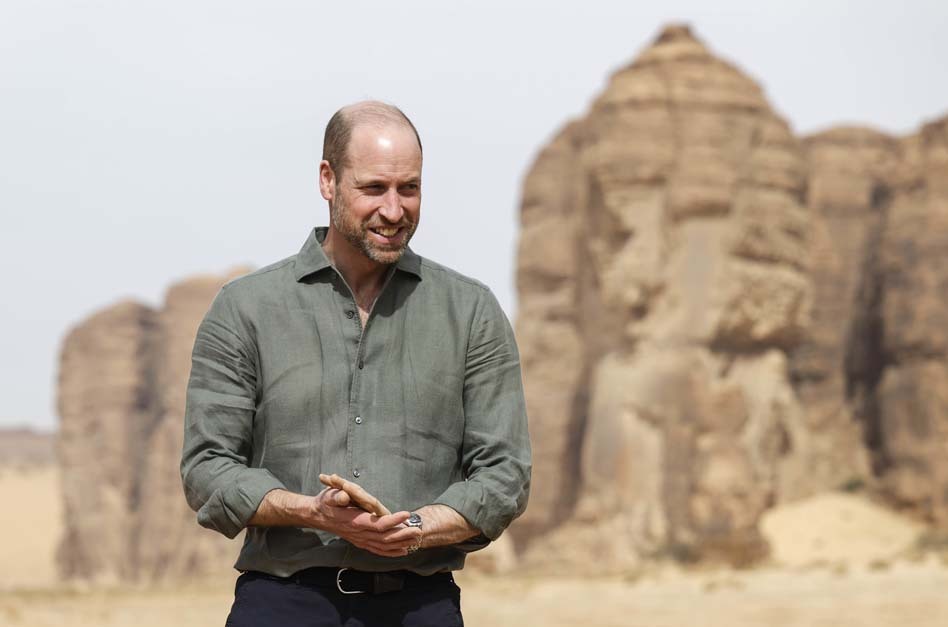
Domestic tourists are increasingly venturing beyond the main urban hubs, supported by tourism marketing campaigns and seasonal airline offers. Mountain destinations such as Abha (24%) and Taif (22%) are attracting summer visitors seeking cooler weather, while AlUla – which recently welcomed Prince William on his first official visit to Saudi Arabia – now draws 20% of domestic travellers and is gaining global recognition.
Commenting on the kingdom’s hotel and tourism trajectory, Oussama El Kadiri, Partner – Head of Hospitality, Tourism & Leisure Advisory, MENA at Knight Frank, said Saudi Arabia’s tourism and leisure sector “stands on the brink of a historic transformation” led by developments such as The Red Sea, Amaala and AlUla.
“Saudi Arabia’s trajectory remains remarkable,” added El Kadiri. “By blending heritage tourism, pilgrimage innovation and modern leisure experiences, the kingdom is crafting a multifaceted tourism identity in which luxury meets authenticity and ambition meets execution.”
For more information, visit knightfrank.com.sa
Trending



Latest
Related Content



Jacobs Media is a company registered in England and Wales, company number 08713328. 3rd Floor, 52 Grosvenor Gardens, London SW1W 0AU
© 2025 Jacobs Media

