




You are viewing 1 of your 2 free articles
These are the fastest-growing destinations in the Middle East
Region records 3% increase in tourist arrivals in 2025, UN Tourism reports
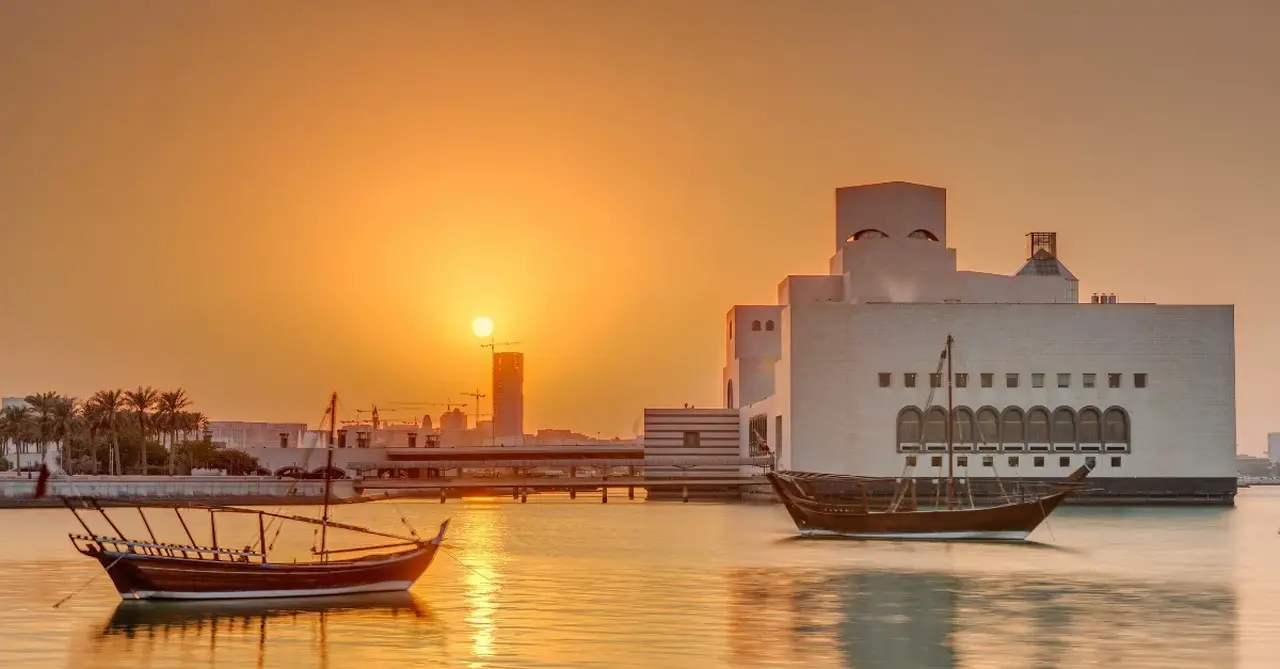
The Middle East saw international tourist arrivals rise 3% in 2025 from 2024, reaching 96.6 million visitors, according to the latest UN World Tourism Barometer. This continued growth was fuelled by several standout destinations posting some of the world’s highest increases, reinforcing the region’s position as a global tourism leader.
The results place the region 39% above 2019 levels – the strongest performance of any world region – with arrivals rising from 71.6 million in 2019 to nearly 100 million in 2025.
In annual growth terms, the Middle East’s 3% rise in international arrivals was slightly below Europe’s 4% but clearly ahead of the Americas’ 1%. Globally, international tourist arrivals increased by 4% to around 1.52 billion travellers, almost 60 million more than in 2024, which underscores that travel demand remains strong despite inflation and geopolitical challenges.
RELATED:
3 Gulf cities rank among world’s tourism growth hotspots in 2026
GCC international tourism revenues climb 40% in five years
187 New hotels to open in the Middle East by 2027
Egypt leads regional growth
Within the Middle East, Egypt delivered the strongest performance in 2025 with a 21% increase in international visitors, attracting nearly 19 million tourists as demand for its heritage sites and Red Sea resorts continued to surge.
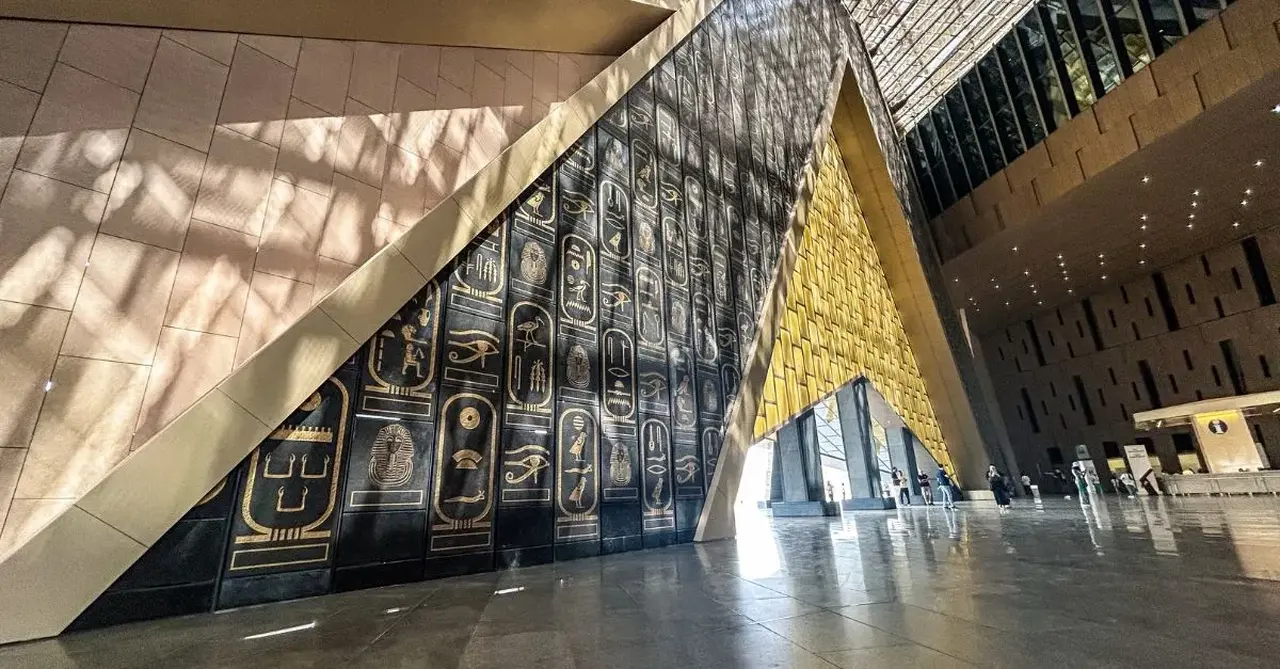
One of a dozen countries worldwide to see double‑digit growth last year, Egypt also celebrated the long‑awaited opening of the Grand Egyptian Museum in November 2025, a high‑profile launch likely to have pushed the country further up travellers’ must‑visit lists.
Jordan followed Egypt with 12% growth in international arrivals in 2025, according to the UN Barometer, with local data showing around 1.5 million visitors in Q1 alone, marking a 13% year‑on‑year increase, and tourism revenues rising by double digits over the first half of the year. Key sites also reported higher foreign footfall in H1 2025, with Petra’s foreign visitors up 17% and Mount Nebo up 12%.
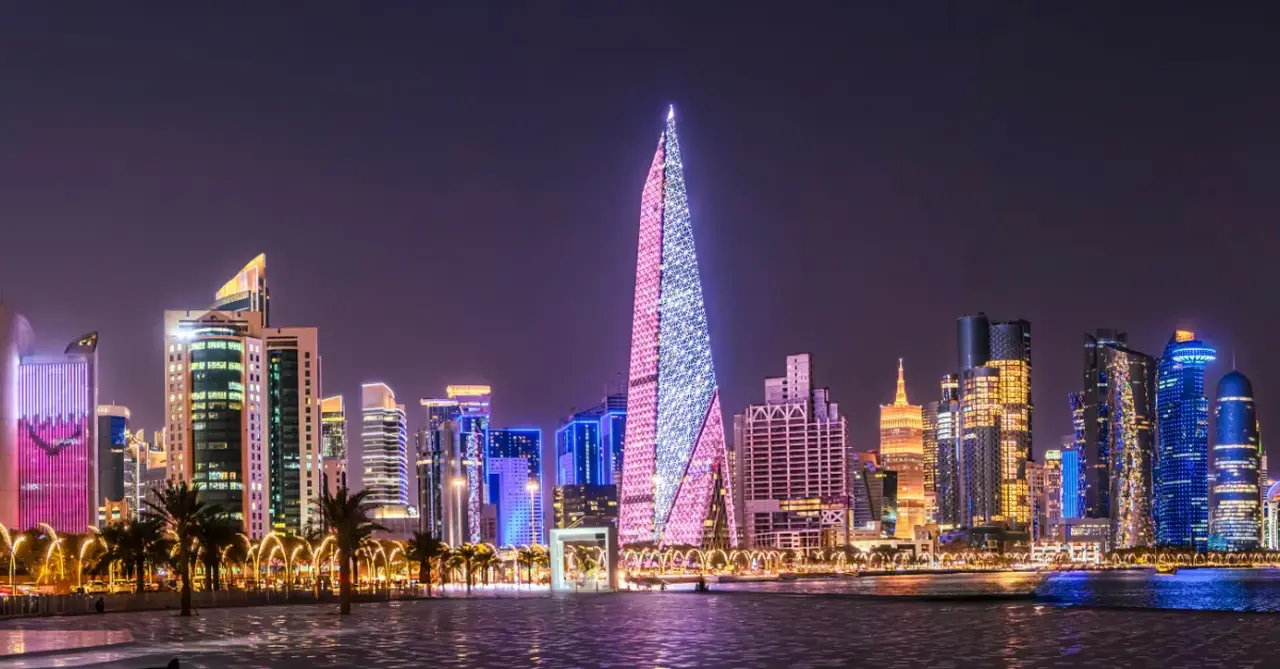
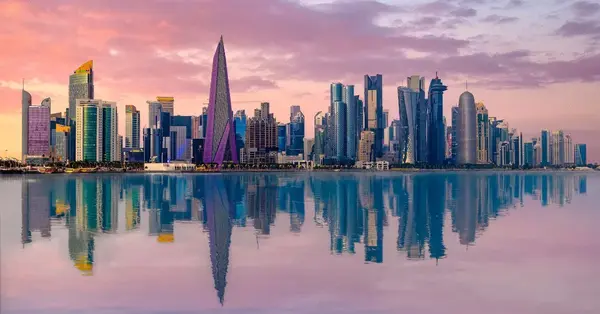
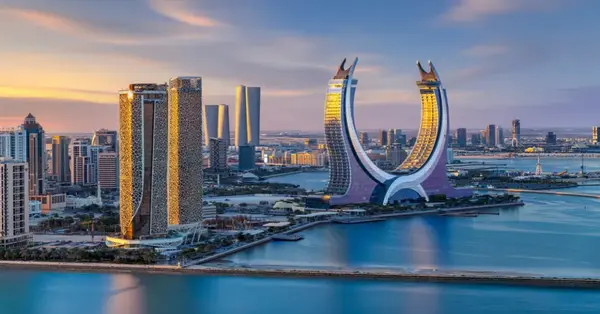
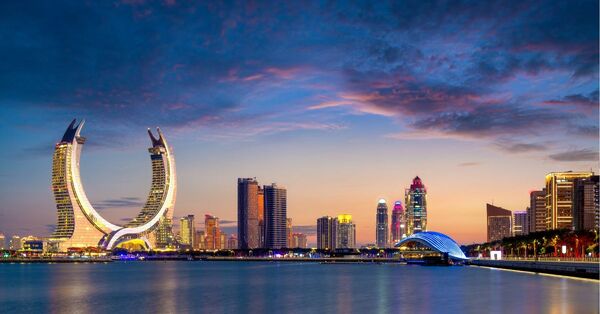
The only GCC country to be highlighted in the UN Barometer, Qatar recorded 4% growth in arrivals in 2025, with national data showing more than 2.6 million visitors in the first half of the year and hotel occupancy edging up to around 71%, roughly two percentage points higher year on year, while total hotel nights sold rose by around 7-8%.
Across the Gulf, wider demand indicators suggest that growth momentum is being shared across the region. Three Gulf cities recently entered the world’s top 10 destinations for growth in international travel intent in 2026, with Jeddah and Riyadh in Saudi Arabia, and Doha in Qatar, driving Western Asia’s surge, according to data from global travel intelligence firm Mabrian.
Global picture: how other regions compare
Beyond the Middle East, Africa posted the fastest regional growth in the UN Barometer, up 8% to 81 million arrivals, led by North Africa’s 11% rise and double‑digit increases in Morocco, South Africa, Ethiopia, Seychelles, Tunisia and Sierra Leone.
Europe remained the world’s largest tourism region with 793 million arrivals, a 4% year‑on‑year increase and 6% above 2019, with Iceland showing the biggest growth in international arrivals, up 29%. Asia Pacific registered 6% growth to reach 331 million arrivals, with Bhutan up around 30% and Sri Lanka and the Maldives among the standout destinations.
The Americas recorded just 1% growth overall, though Brazil was up 37% for the year and several Caribbean and Central American destinations achieved significantly higher increases.
Across all regions, tourism export revenues are estimated to have reached US$2.2 trillion in 2025. Looking ahead, the UN expects international tourism to grow by a further 3–4% in 2026, assuming Asia Pacific’s recovery continues, economic conditions remain broadly favourable and geopolitical tensions do not escalate.
For more information, visit un-tourism
Trending









Jacobs Media is a company registered in England and Wales, company number 08713328. 3rd Floor, 52 Grosvenor Gardens, London SW1W 0AU
© 2025 Jacobs Media
