




You are viewing 1 of your 2 free articles
Atlantis Dubai releases five stingrays and eight sharks in latest conservation drive
The initiative has to date introduced 90 marine animals to the Arabian Gulf
PARTNER CONTENT
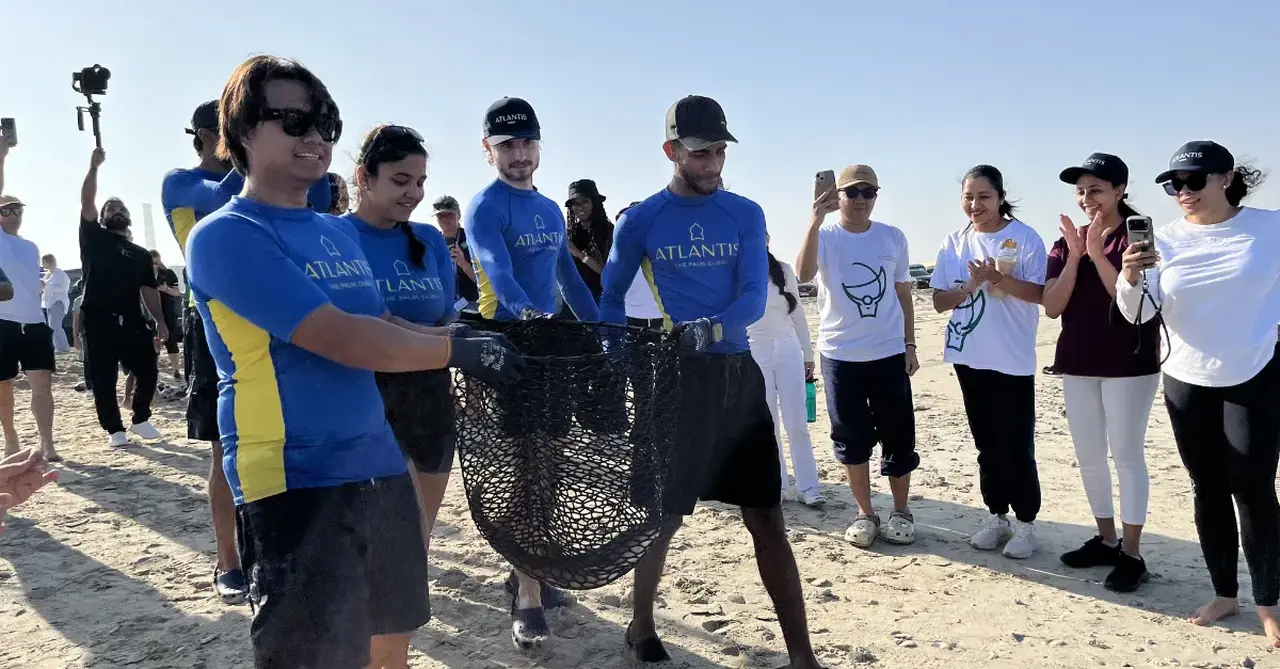
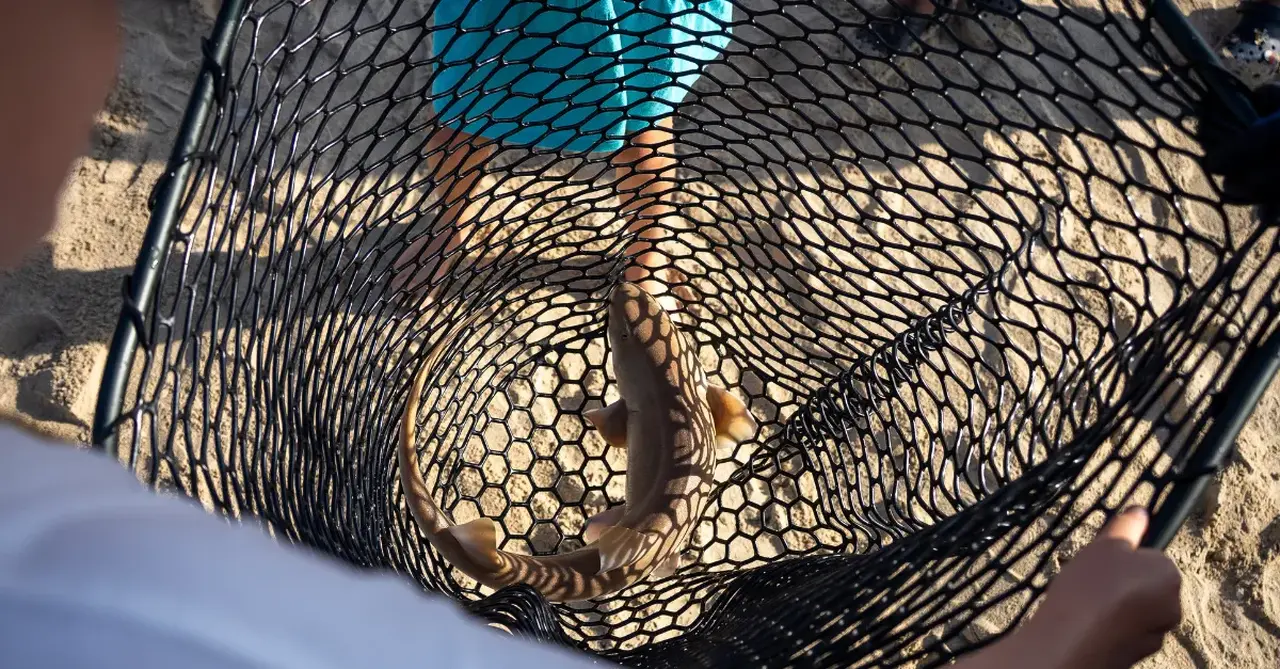
Atlantis Dubai has completed the latest phase of its Atlantis Atlas Project, releasing five Honeycomb Stingrays and eight Arabian Carpet sharks into the Arabian Gulf as part of a long-term strategy to support native marine biodiversity.
Conducted in partnership with the Dubai Environment and Climate Change Authority, the release took place from the Jebel Ali Wildlife Sanctuary, a site that has become a focal point for marine and coastal restoration in Dubai. Community engagement remains a core component of the programme, with school groups and local participants joining a beach clean-up aligned with the release activity.
Launched in 2019, the Atlas Project’s breeding and reintroduction work responds to regional data showing that more than one-third of shark and ray species in the Arabian Gulf are now facing endangerment. Animals are bred at Atlantis Dubai’s Lost World Aquarium, undergo veterinary assessments and behavioural conditioning, and are gradually prepared for life in the wild to reduce dependence on human care.
To date, the programme has introduced 73 sharks and 17 rays to UAE waters.
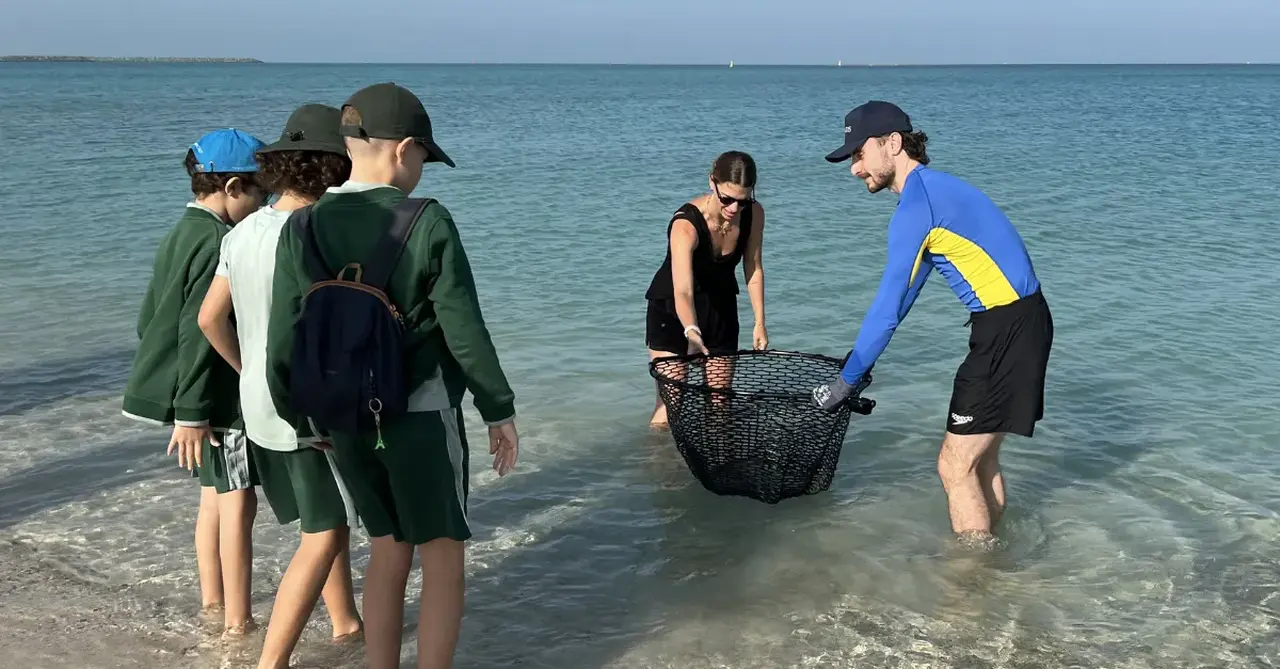
Speaking exclusively with Connecting Travel, Kelly Timmins, Executive Director of Sustainability and Marine Animal Operations at Atlantis Dubai, said: “We prepare the animals prior to release to ensure that they have the greatest chance of survival when they go into the wild. This means a reduction in human physical contact, allowing them to forage and search to find their own food and introducing them to other animals.”
RELATED:
Atlantis Dubai tops global ranking for new Forbes Travel stars in 2026
Atlantis Dubai unveils wellness experiences at Lost World Aquarium
25 UAE restaurants named among MENA’s 50 Best for 2026
Beyond the annual release, the Atlas Project drives Atlantis Dubai’s wider sustainability initiatives, centred on environmental conservation, responsible tourism and raising local awareness.
“We do a huge amount of guest education at Atlantis itself. Whether this be in the restaurants, rooms or in our dedicated marine animal areas, we just want to connect people to the ocean and animals, and inspire them to protect it,” added Timmins.
The resort donates US$1 from every marine animal experience to conservation initiatives, contributing more than US$500,000 to date, and uses touchpoints across F&B, rooms and attractions to promote ocean literacy among visitors.
The redevelopment of the Lost World Aquarium in October 2025 expanded both the capacity and the focus of the attraction, which now houses more than 65,000 marine animals and supports a wider range of education and research-led experiences.
Atlantis’ marine protection efforts have also been recognised with Gold Dubai Sustainable Tourism (DST) stamps from the Department of Economy and Tourism (DET), alongside the Forbes Travel Guide’s Verified Responsible Hospitality Badge.
For more information, visit atlantis.com/atlasproject
Trending




Latest


Related Content



Jacobs Media is a company registered in England and Wales, company number 08713328. 3rd Floor, 52 Grosvenor Gardens, London SW1W 0AU
© 2025 Jacobs Media

